
Tooth Extraction in East Village NYC | Tooth Removal
Blog:Tooth Extraction in East Village NYC | Tooth Removal
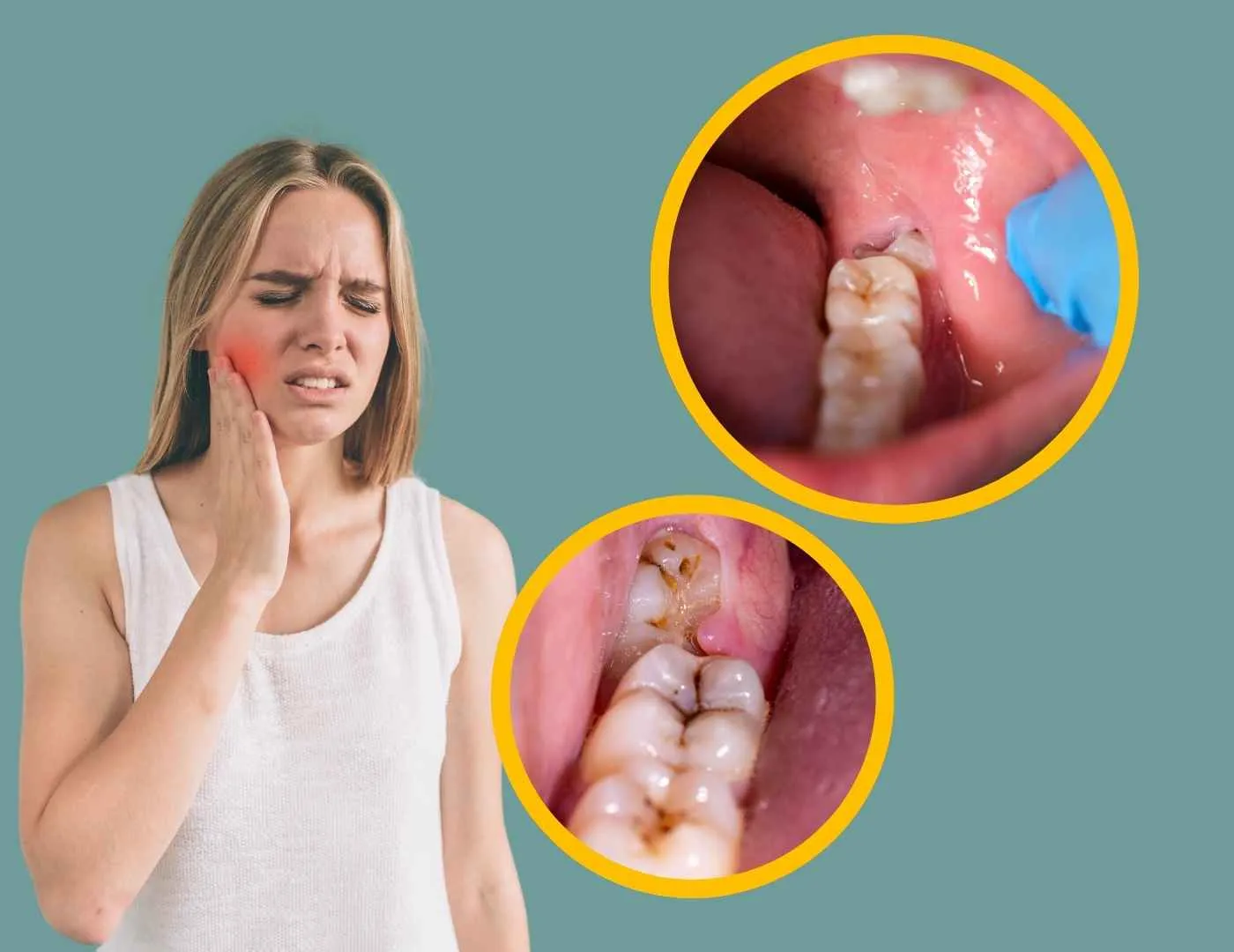
A damaged, infected, or severely decayed tooth can sometimes be treated with a filling, crown, root canal, or another restorative procedure. However, when a tooth cannot be predictably restored, tooth extraction in East Village NYC may be recommended to protect your oral health and prevent further dental problems.
Tooth extraction is a common dental procedure used to remove a tooth from its socket in the jaw. While the idea of having a tooth removed may feel concerning, modern dental techniques and local anaesthesia can help make the procedure as comfortable as possible.
If your dentist has recommended tooth removal, understanding why extraction may be necessary, how the procedure works, and what recovery involves can help you feel more prepared.
What Is Tooth Extraction?
Tooth extraction is a dental procedure in which a tooth is carefully removed from its socket in the jawbone. Extraction may be recommended when a tooth is severely damaged, extensively decayed, infected, or otherwise unsuitable for restoration.
Depending on the condition and position of the tooth, extraction can generally involve a straightforward removal or a more involved surgical procedure.
Before recommending extraction, your dentist will evaluate the tooth and surrounding structures and discuss whether other treatment options may be appropriate.
Why Might a Tooth Need to Be Extracted?
Dentists generally try to preserve natural teeth whenever possible. However, there are situations where keeping a tooth may not be practical or may pose risks to surrounding oral health.
Severe Tooth Decay
Advanced decay can destroy a significant amount of tooth structure. If there is not enough healthy tooth remaining to support a restoration, extraction may be considered.
Depending on the extent of the decay, alternatives such as a filling, crown, or root canal treatment may be discussed before extraction is recommended.
Extensive Tooth Damage
A tooth can become damaged because of an accident, injury, biting forces, or other causes. If a tooth is fractured below the gumline or has suffered damage that cannot be predictably repaired, removal may be necessary.
Your dentist will assess the location and extent of the damage before determining whether the tooth can be restored.
Dental Infection
An infection can develop inside a tooth when bacteria reach the pulp, which contains nerves and blood vessels. Root canal treatment may sometimes be used to remove the infected tissue and save the natural tooth.
However, if the tooth cannot be restored or other treatment is not appropriate, extraction may be recommended.
Advanced Gum Disease
Periodontal disease can damage the tissues and bone that support your teeth. In advanced cases, a tooth may become significantly loose because of the loss of supporting structures.
If the tooth cannot be stabilised or maintained, your dentist may discuss extraction and possible tooth replacement options.
Crowded Teeth
In some cases, tooth extraction may be part of an orthodontic treatment plan. Removing selected teeth can create space to help properly align the remaining teeth.
This type of extraction should only be performed following a comprehensive assessment and treatment plan.
Wisdom Teeth Extraction in East Village
Wisdom teeth, also known as third molars, can sometimes cause problems when there is not enough room for them to erupt properly. They may become impacted, partially erupted, difficult to clean, or associated with pain and infection.
Depending on their position and condition, wisdom tooth extraction may be recommended.
What Happens During Tooth Extraction?
The exact extraction process depends on the condition, location, and position of the tooth.
1. Dental Examination
Your dentist will examine the tooth and surrounding area. Dental X-rays may be used to evaluate the roots, bone, and position of the tooth.
This information helps your dentist determine the most appropriate approach.
2. Discussing Your Treatment
Before the procedure, your dentist will explain why extraction is being recommended and discuss any suitable alternatives.
You can also ask questions about the procedure, anaesthesia, recovery, and options for replacing the tooth after extraction.
3. Local Anaesthesia
Local anaesthesia is typically used to numb the area around the tooth. This helps prevent pain during the procedure.
You may still feel pressure or movement while the dentist works on the tooth, but the area should be sufficiently numb to keep you comfortable.
4. Removing the Tooth
For a straightforward extraction, the dentist carefully loosens the tooth from the surrounding tissues before removing it from the socket.
If the tooth is impacted, severely broken, or difficult to access, a surgical extraction may be required. The exact technique depends on the individual situation.
5. Protecting the Extraction Site
After the tooth is removed, your dentist will provide instructions to help protect the extraction site and support normal healing.
A blood clot naturally forms in the socket as part of the healing process. Following your dentist's aftercare instructions is important for protecting this area.
Does Tooth Extraction Hurt?
One of the most common concerns about tooth extraction in East Village NYC is whether the procedure will be painful.
The area is numbed with local anaesthesia before the extraction. You should not experience sharp pain during the procedure, although you may notice pressure, movement, or other sensations.
Some soreness, tenderness, or swelling can occur after the anaesthetic wears off. The level of discomfort depends on factors such as the type of extraction, the condition of the tooth, and your individual healing response.
Your dentist will provide specific aftercare instructions to help you manage discomfort during recovery.
Tooth Extraction Aftercare
Proper aftercare can help protect the extraction site and support healing.
Your dentist may recommend that you:
- Follow all post-treatment instructions carefully
- Avoid disturbing the extraction site
- Keep the area clean as directed
- Avoid smoking or tobacco products during the recommended healing period
- Eat softer foods initially if needed
- Avoid strenuous activity for the period recommended by your dentist
- Take medications only as directed
- Attend any recommended follow-up appointment
Your dentist will provide instructions specific to your procedure because recovery can vary between patients.
What Can You Eat After a Tooth Extraction?
Your mouth may feel tender immediately after an extraction, so softer foods can be easier to eat during the initial recovery period.
Depending on your dentist's recommendations, suitable foods may include:
- Yogurt
- Mashed potatoes
- Soft eggs
- Applesauce
- Smooth soups
- Soft pasta
- Oatmeal
- Other foods that require minimal chewing
As your mouth heals, you can gradually return to your normal diet according to your dentist's instructions.
Avoid placing unnecessary pressure on the extraction area, particularly during the early stages of healing.
How Long Does Tooth Extraction Recovery Take?
Recovery varies depending on the type of extraction and the patient's individual healing process.
A simple extraction may involve a relatively straightforward recovery, while surgical extraction, including some wisdom tooth removals, can require more healing time.
The gum tissue gradually heals as the extraction site closes. The underlying bone also goes through a longer healing process.
Your dentist can give you a more specific idea of what to expect based on the tooth being removed and the type of procedure performed.
When Should You Contact Your Dentist After an Extraction?
Some soreness and swelling can be normal after tooth removal. However, you should contact your dental office if you experience symptoms that concern you or do not improve as expected.
Contact your dentist if you experience:
- Severe or worsening pain
- Persistent or heavy bleeding
- Significant swelling
- Fever or other signs of infection
- Difficulty breathing or swallowing
- Symptoms that appear to be getting worse rather than improving
Your dental team can determine whether you need an examination or additional treatment.
What Happens After a Tooth Is Removed?
Removing a tooth addresses the immediate problem, but it is also important to consider what happens after the extraction.
Depending on the location of the missing tooth, your dentist may discuss tooth replacement options such as:
- Dental bridges
- Dental implants
- Partial dentures
- Implant-supported restorations
Not every extracted tooth needs to be replaced in the same way. The appropriate option depends on factors such as the location of the tooth, your remaining teeth, bone health, bite, oral hygiene, and treatment goals.
Discussing replacement options before or around the time of extraction can help you understand your long-term treatment plan.
Tooth Extraction vs. Saving the Natural Tooth
Whenever possible, dentists generally consider whether a natural tooth can be preserved before recommending extraction.
Depending on the condition of the tooth, possible alternatives may include:
- Dental fillings
- Dental crowns
- Root canal treatment
- Periodontal treatment
- Other restorative procedures
However, these treatments are not appropriate for every tooth. If a tooth is too severely damaged, infected, fractured, or unsupported, extraction may provide a more predictable way to address the problem.
Your dentist can explain the available options and their potential benefits and limitations based on your specific condition.
Wisdom Tooth Extraction in East Village NYC
Wisdom teeth are the final set of molars to develop and can sometimes cause problems when they do not have enough room to erupt normally.
Problems associated with wisdom teeth can include:
- Impaction
- Pain or discomfort
- Difficulty cleaning the area
- Gum inflammation
- Repeated infection
- Damage to neighbouring teeth
- Certain cysts or other dental problems
Not every wisdom tooth needs to be removed. Your dentist can examine the tooth and use appropriate imaging to determine whether monitoring or extraction is recommended.
If extraction is necessary, your dentist can explain what the procedure involves and what you should expect during recovery.
How Can You Prepare for Tooth Extraction?
Preparing for tooth extraction in East Village NYC starts with understanding your treatment plan.
Before your appointment, tell your dentist about any medications or supplements you take and provide information about your relevant dental and medical history.
Ask your dental team about:
- What type of extraction you will have
- Whether local anaesthesia or another form of sedation is planned
- How long the appointment may take
- What you should eat before treatment
- What to expect during recovery
- When you can return to normal activities
- Whether the tooth should eventually be replaced
Following your dentist's instructions before and after treatment can help make the process more predictable.
Why Choose L.E.S. Dental Group for Tooth Extraction in East Village?
If you need tooth extraction in East Village NYC, an evaluation by an experienced dental team can help determine the most appropriate treatment for your individual needs.
L.E.S. Dental Group can assess the condition of the affected tooth, explain why extraction may be recommended, and discuss alternatives when appropriate.
The goal is to provide a treatment plan based on your oral health, the condition of the tooth, and your long-term dental needs.
Schedule a Tooth Extraction Consultation in East Village NYC
A severely damaged, decayed, infected, or problematic tooth may require removal when it cannot be predictably restored. Understanding the extraction process and your options afterward can help you make informed decisions about your dental care.
If you are experiencing tooth pain, have a damaged tooth, or have been advised that a tooth may need to be removed, consider scheduling a dental examination.
L.E.S. Dental Group can evaluate your tooth and discuss whether tooth extraction in East Village NYC is appropriate for your situation, along with potential treatment and tooth replacement options.
Quick Links
Helpful Articles
article_category: East Village
article_category: products
article_category: psychiatry
article_category: faqs
article_category: cats
article_category: general
article_category: services
article_category: technology
article_category: dogs
article_category: restorative
article_category: vision therapy
article_category: contact lenses
article_category: health
article_category: conditions
article_category: eye surgery co-management
article_category: exotic
article_category: cosmetic
article_category: surgical procedures
article_category: aesthetics
article_category: preventative
article_category: ocular disease management
article_category: eyeglasses
article_category: eye health
article_category: large animal
[]
article_category: products
article_category: psychiatry
article_category: faqs
article_category: cats
article_category: general
article_category: services
article_category: technology
article_category: dogs
article_category: restorative
article_category: vision therapy
article_category: contact lenses
article_category: health
article_category: conditions
article_category: eye surgery co-management
article_category: exotic
article_category: cosmetic
article_category: surgical procedures
article_category: aesthetics
article_category: preventative
article_category: ocular disease management
article_category: eyeglasses
article_category: eye health
article_category: large animal
[]
Flowbite is an open-source library of interactive components built on top of Tailwind CSS including buttons, dropdowns, modals, navbars, and more.
Check out this guide to learn how to get started and start developing websites even faster with components on top of Tailwind CSS.

Keep In Touch
For non-urgent questions or to learn more about our services, contact us today!
© 2026 L.E.S. Dental Group. All rights Reserved - Accessibility Statement - Privacy Policy - Sitemap
Managed and Designed by 