
Teeth Grinding in Lower East Side NYC | Bruxism Treatment
Blog:Teeth Grinding in Lower East Side NYC | Bruxism Treatment
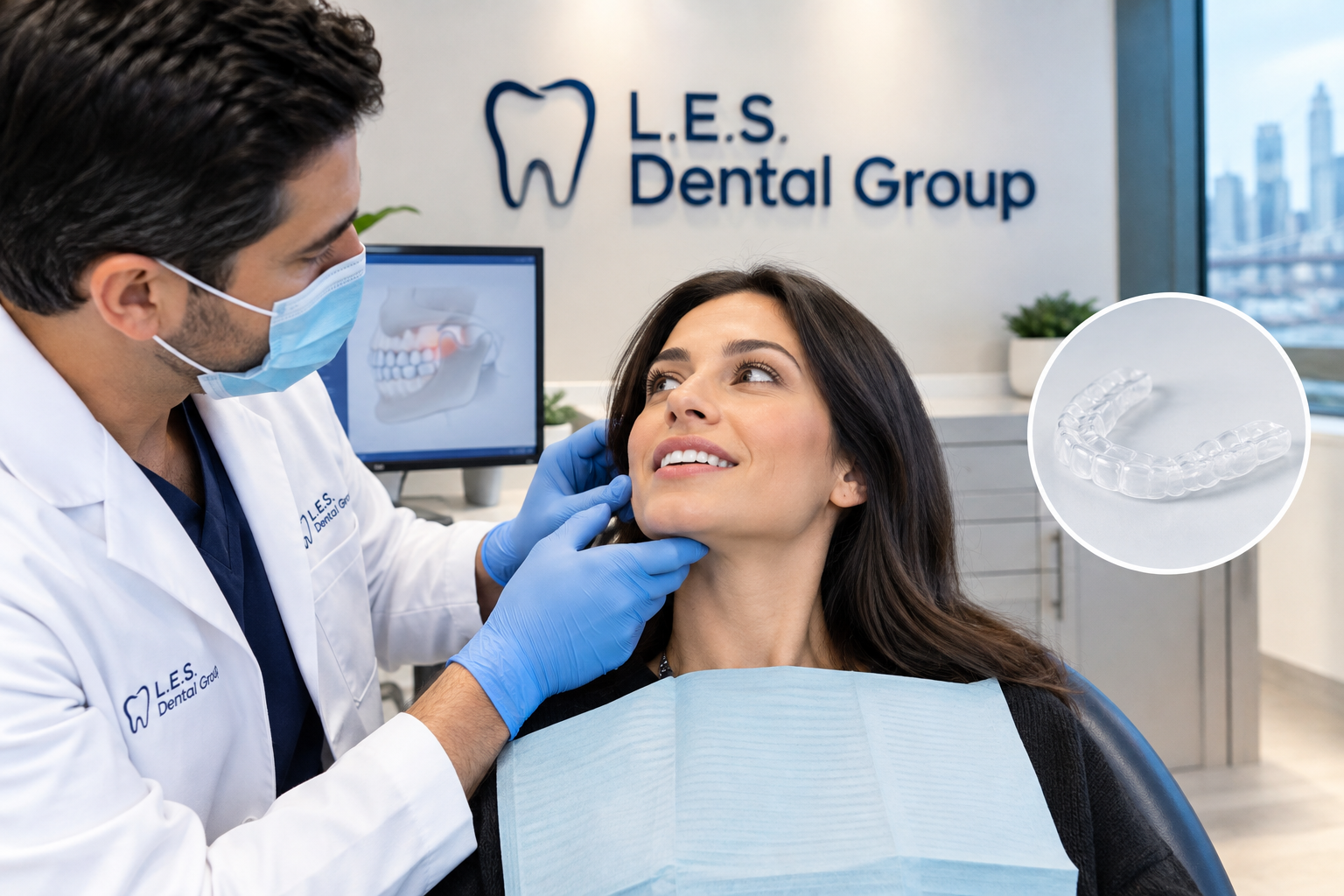
Teeth grinding, also known as bruxism, is a common dental condition that can happen while you are awake or asleep. Some people grind or clench their teeth without realising it, while others may notice symptoms such as jaw soreness, headaches, tooth sensitivity, or worn teeth.
If you are experiencing teeth grinding in Lower East Side NYC, a dental evaluation can help identify signs of bruxism and determine whether treatment may be appropriate.
What Is Teeth Grinding?
Teeth grinding occurs when a person repeatedly clenches, grinds, or presses their teeth together. It can happen during the day or while sleeping.
Occasional teeth grinding may not cause significant problems. However, frequent or severe bruxism can place pressure on the teeth and jaw muscles. Over time, this may contribute to tooth wear, cracked or chipped teeth, sensitivity, jaw discomfort, and headaches.
Common Signs of Teeth Grinding
Many people do not realise that they grind their teeth, particularly when it happens during sleep. A partner or family member may notice grinding sounds at night.
Common signs can include:
- Flattened or worn teeth
- Chipped or cracked teeth
- Increased tooth sensitivity
- Jaw soreness or tightness
- Tired jaw muscles
- Facial discomfort
- Morning headaches
- Tooth or jaw pain
A dentist can examine your teeth and jaw for signs that may indicate bruxism.
What Causes Teeth Grinding?
There is no single cause of bruxism. Several factors may play a role, including stress, nervousness, certain medications, alcohol or caffeine consumption, smoking, and genetic factors.
Sleep-related teeth grinding can also occur without a person being aware of it. If you regularly wake up with jaw discomfort or headaches, it may be worth discussing your symptoms with a dentist.
How Can Teeth Grinding Affect Your Teeth?
Repeated grinding places mechanical pressure on the teeth. Over time, this can contribute to enamel wear and other forms of dental damage.
Severe bruxism may result in flattened, chipped, cracked, loose, or sensitive teeth. It can also damage existing dental restorations in some cases.
Identifying the condition early may help protect your teeth from further damage.
Teeth Grinding and Jaw Pain
Teeth grinding and jaw clenching can place additional strain on the muscles around the jaw. This may lead to soreness, tightness, or fatigue in the jaw muscles.
If jaw discomfort continues or affects your ability to open or move your mouth comfortably, a dental professional can evaluate your symptoms and determine whether further assessment is appropriate.
How Is Bruxism Diagnosed?
A dentist may ask about your symptoms, when the grinding or clenching occurs, and whether anyone has noticed you grinding your teeth while sleeping.
During an examination, the dentist may look for tooth wear, cracks, sensitivity, damaged restorations, and tenderness around the jaw muscles. In some situations, additional evaluation, including a sleep study, may be recommended.
Treatment for Teeth Grinding in Lower East Side
Treatment depends on the individual's symptoms and the underlying factors contributing to the grinding.
Your dentist may recommend approaches such as:
Custom Mouth Guards
A dental mouth guard or intraoral appliance can separate the upper and lower teeth and help protect them from damage caused by grinding. A dentist can determine whether an appliance is appropriate for your situation.
Stress Management
Stress and emotional factors may contribute to bruxism. Relaxation techniques and stress-management strategies may help some people reduce clenching and grinding.
Behavioural Changes
If you clench your teeth during the day, becoming more aware of the habit can help you work toward keeping your jaw relaxed. Your dentist may provide guidance based on your symptoms.
Restoring Damaged Teeth
If teeth have been significantly worn, chipped, or damaged, restorative dental treatment may sometimes be necessary. The appropriate treatment depends on the extent of the damage and your individual dental needs.
When Should You See a Dentist for Teeth Grinding?
Consider scheduling a dental examination if you notice:
- Frequent jaw pain or soreness
- Worn, chipped, or cracked teeth
- Unexplained tooth sensitivity
- Headaches, particularly after waking
- Grinding or clenching during the day
- Someone telling you that you grind your teeth at night
Regular dental examinations can also help identify signs of bruxism before significant tooth damage develops.
Teeth Grinding Treatment in Lower East Side NYC
If you are looking for care for teeth grinding in Lower East Side NYC, L.E.S. Dental Group is located at 62 Rivington Street, New York, NY 10002. The dental practice provides general and restorative dental services for patients in the Lower East Side and surrounding New York City communities.
A dental evaluation can help determine whether your symptoms are consistent with bruxism and whether protective or restorative treatment may be appropriate.
Protect Your Smile From Teeth Grinding
Teeth grinding can sometimes happen without you noticing it. Paying attention to symptoms such as tooth sensitivity, worn enamel, jaw soreness, and morning headaches can help you recognise potential signs of bruxism.
If you are concerned about teeth grinding in Lower East Side NYC, consider scheduling a dental examination to discuss your symptoms and available treatment options.
Quick Links
Helpful Articles
article_category: East Village
article_category: products
article_category: psychiatry
article_category: faqs
article_category: cats
article_category: general
article_category: services
article_category: technology
article_category: dogs
article_category: restorative
article_category: vision therapy
article_category: contact lenses
article_category: health
article_category: conditions
article_category: eye surgery co-management
article_category: exotic
article_category: cosmetic
article_category: surgical procedures
article_category: aesthetics
article_category: preventative
article_category: ocular disease management
article_category: eyeglasses
article_category: eye health
article_category: large animal
[]
article_category: products
article_category: psychiatry
article_category: faqs
article_category: cats
article_category: general
article_category: services
article_category: technology
article_category: dogs
article_category: restorative
article_category: vision therapy
article_category: contact lenses
article_category: health
article_category: conditions
article_category: eye surgery co-management
article_category: exotic
article_category: cosmetic
article_category: surgical procedures
article_category: aesthetics
article_category: preventative
article_category: ocular disease management
article_category: eyeglasses
article_category: eye health
article_category: large animal
[]
Flowbite is an open-source library of interactive components built on top of Tailwind CSS including buttons, dropdowns, modals, navbars, and more.
Check out this guide to learn how to get started and start developing websites even faster with components on top of Tailwind CSS.

Keep In Touch
For non-urgent questions or to learn more about our services, contact us today!
© 2026 L.E.S. Dental Group. All rights Reserved - Accessibility Statement - Privacy Policy - Sitemap
Managed and Designed by 