
Teeth Grinding in Lower Manhattan | Bruxism Treatment
Blog:Teeth Grinding in Lower Manhattan | Bruxism Treatment
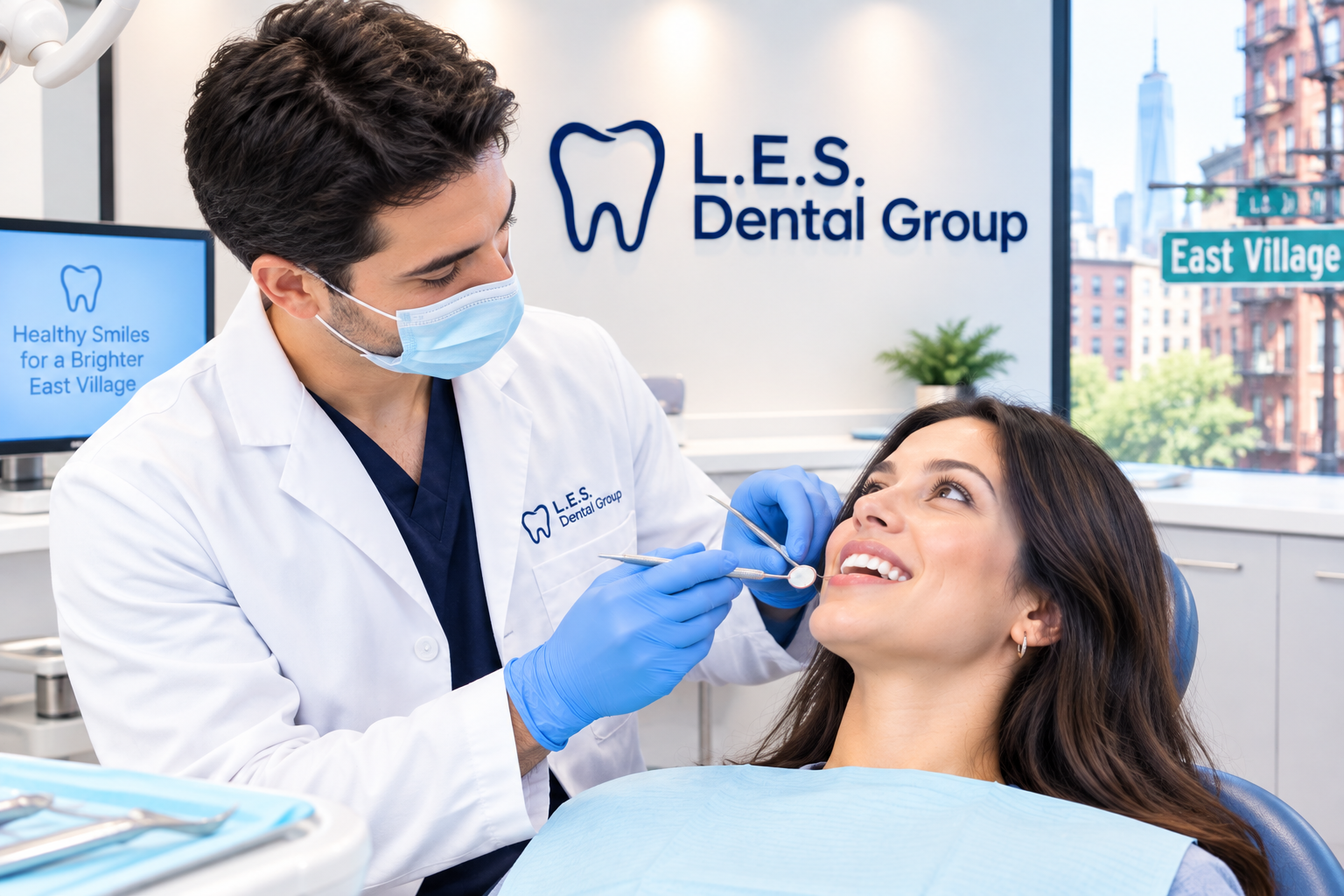
Teeth grinding, also known as bruxism, is a common dental condition that can happen while you are awake or asleep. Many people grind or clench their teeth without even realising they are doing it. Over time, frequent teeth grinding can place excessive pressure on the teeth, jaw muscles and temporomandibular joints (TMJ).
If you are experiencing teeth grinding in Lower Manhattan, the dental team at L.E.S. Dental Group can evaluate your teeth and jaw, identify signs of bruxism and recommend an appropriate treatment plan.
What Is Teeth Grinding?
Teeth grinding occurs when you repeatedly clench, grind or gnash your teeth. Dentists refer to this condition as bruxism. It can occur during the day or while you are sleeping.
Sleep bruxism can be particularly difficult to identify because you may not know that you are grinding your teeth. A partner may hear grinding sounds during the night, or your dentist may notice signs of tooth wear during a routine examination.
Occasional grinding may not cause significant problems. However, frequent or severe bruxism can contribute to worn enamel, chipped or cracked teeth, tooth sensitivity, jaw soreness and headaches.
Common Signs of Teeth Grinding in Lower Manhattan
You may not always know that you grind your teeth. However, there are several signs that may indicate bruxism.
Common symptoms include:
- Jaw soreness or tenderness
- Morning headaches
- Facial discomfort
- Tooth sensitivity
- Flattened or worn teeth
- Chipped or cracked teeth
- Increased tooth wear
- Tight or tired jaw muscles
- Pain when chewing
- Ear or facial discomfort
- Damage to dental fillings or other restorations
- Clicking or discomfort around the jaw
If you regularly wake up with a sore jaw or notice unexplained tooth wear, it may be worth discussing your symptoms with a dentist. (MouthHealthy)
What Causes Teeth Grinding?
There is not always one single cause of bruxism. Several factors may contribute to teeth grinding and clenching.
Stress and Anxiety
Stress is commonly associated with teeth clenching and grinding. Some people may unconsciously tighten their jaw during periods of pressure or concentration.
Learning relaxation techniques and becoming more aware of daytime clenching may help reduce the frequency of the habit.
Sleep-Related Conditions
Teeth grinding can occur during sleep and may be associated with certain sleep disorders. If your dentist suspects that your grinding may be related to a sleep problem, they may recommend further evaluation by an appropriate healthcare professional. (Mayo Clinic)
Caffeine, Alcohol and Smoking
Certain lifestyle factors, including caffeine, alcohol and tobacco use, have been associated with bruxism. Reducing these substances, particularly in the evening, may help some people manage their symptoms. (NIDCR)
Certain Medications
Some medications may contribute to teeth grinding. If you believe your medication could be affecting your symptoms, speak with your healthcare provider before making any changes.
Can Teeth Grinding Damage Your Teeth?
Yes. Frequent or severe teeth grinding can put considerable pressure on your teeth.
Over time, bruxism may contribute to:
- Enamel wear
- Tooth sensitivity
- Cracked or chipped teeth
- Flattened chewing surfaces
- Damage to fillings and restorations
- Tooth pain
- Jaw muscle discomfort
Severe tooth wear may eventually affect how your teeth function and may require restorative dental treatment. (Mayo Clinic)
This is why identifying teeth grinding in Lower Manhattan early can be important for protecting your smile and preventing additional dental damage.
How Is Bruxism Diagnosed?
A dentist can look for physical signs of bruxism during a comprehensive dental examination.
Your dentist may examine:
- The condition of your tooth enamel
- Signs of flattened or worn teeth
- Cracks or chips
- Damaged dental restorations
- Jaw muscles
- Jaw joints
- Areas of tenderness or discomfort
- Your bite and overall oral health
Your dentist may also ask about your sleep habits, headaches, jaw discomfort and whether someone has noticed you grinding your teeth at night. In some cases, further evaluation may be recommended if an underlying sleep disorder is suspected.
Treatment for Teeth Grinding in Lower Manhattan
Treatment depends on the severity of your bruxism and the factors contributing to it. The goal may be to protect your teeth, reduce discomfort and address contributing habits or conditions.
Custom Night Guards in lower Manhattan
One of the commonly recommended approaches for sleep-related teeth grinding is a dental night guard or oral appliance.
A custom night guard is designed to fit your teeth and can help separate the upper and lower teeth during sleep, helping protect them from the effects of grinding and clenching. (MouthHealthy)
A night guard does not necessarily eliminate the underlying cause of bruxism, but it can be an important part of protecting your teeth from further wear.
Managing Daytime Clenching
Some people clench their teeth while working, driving, concentrating or dealing with stressful situations.
Increasing your awareness of the habit can help. Your dentist can discuss proper resting jaw positioning and techniques that may help you reduce unnecessary clenching.
Stress Management
If stress appears to contribute to your teeth grinding, relaxation techniques may be helpful. Regular exercise, meditation, breathing exercises and other stress-management strategies may help reduce tension and improve overall wellbeing. (MouthHealthy)
Restoring Damaged Teeth
If bruxism has already caused significant tooth damage, restorative dental treatment may be necessary.
Depending on the condition of the affected teeth, treatment may include repairing damaged areas or replacing severely damaged restorations. Your dentist can determine which treatment is appropriate after evaluating your teeth.
Teeth Grinding and Jaw Pain
There is an important connection between bruxism and jaw discomfort. Repeated clenching can place additional strain on the muscles responsible for moving your jaw.
Some people with bruxism experience:
- Jaw tenderness
- Facial pain
- Muscle fatigue
- Headaches
- Difficulty or discomfort when opening the mouth
However, jaw pain can have several possible causes. TMJ disorders, dental problems, injuries and other conditions can also contribute to jaw discomfort. A dental examination can help determine what may be causing your symptoms. (MouthHealthy)
How to Protect Your Teeth From Grinding
If you suspect that you grind your teeth, consider discussing the problem with your dentist.
You can also:
- Maintain regular dental check-ups
- Pay attention to daytime jaw clenching
- Practise relaxation techniques
- Maintain a consistent sleep schedule
- Limit caffeine in the evening
- Avoid smoking
- Discuss medication-related concerns with your healthcare provider
- Ask your dentist whether a custom night guard may be appropriate
Regular dental examinations can help identify tooth wear and other signs of bruxism before the problem becomes more severe. (NIDCR)
When Should You See a Dentist for Teeth Grinding?
Consider scheduling a dental examination if you experience persistent jaw pain, morning headaches, tooth sensitivity, cracked or chipped teeth, unexplained tooth wear or frequent jaw clenching.
You should also seek professional advice if someone tells you that you regularly grind your teeth while sleeping.
Early evaluation can help determine whether you have bruxism and whether your teeth or jaw are showing signs of damage.
Teeth Grinding Treatment in Lower Manhattan
If you are looking for teeth grinding treatment in Lower Manhattan, L.E.S. Dental Group provides comprehensive dental care to help identify and manage problems affecting your teeth and jaw.
At your appointment, your dentist can evaluate signs of bruxism, discuss your symptoms and determine whether protective treatment such as a custom night guard may be appropriate for you.
If you are experiencing teeth grinding, jaw pain, tooth sensitivity or worn teeth, schedule an appointment with a dental professional for an evaluation.
Frequently Asked Questions About Teeth Grinding
Is teeth grinding the same as bruxism?
Yes. Bruxism is the dental term used for grinding, clenching or gnashing the teeth.
Can teeth grinding happen during the day?
Yes. Bruxism can occur while you are awake or asleep. Daytime clenching may happen without you noticing it.
Can teeth grinding cause headaches?
Frequent bruxism may be associated with headaches, facial discomfort and jaw muscle soreness.
Does a night guard stop teeth grinding?
A night guard primarily helps protect the teeth from the effects of grinding and clenching. Your dentist can determine whether a custom appliance is appropriate for your situation.
Can teeth grinding damage dental fillings?
Frequent grinding can contribute to damage to teeth and dental restorations. If you notice broken or damaged fillings, tell your dentist about any history of grinding or clenching.
Can children grind their teeth?
Yes. Bruxism can affect children as well as adults, and many children may outgrow it. Persistent or concerning symptoms should be discussed with a dentist.
Quick Links
Helpful Articles
article_category: East Village
article_category: products
article_category: psychiatry
article_category: faqs
article_category: cats
article_category: general
article_category: services
article_category: technology
article_category: dogs
article_category: restorative
article_category: vision therapy
article_category: contact lenses
article_category: health
article_category: conditions
article_category: eye surgery co-management
article_category: exotic
article_category: cosmetic
article_category: surgical procedures
article_category: aesthetics
article_category: preventative
article_category: ocular disease management
article_category: eyeglasses
article_category: eye health
article_category: large animal
[]
article_category: products
article_category: psychiatry
article_category: faqs
article_category: cats
article_category: general
article_category: services
article_category: technology
article_category: dogs
article_category: restorative
article_category: vision therapy
article_category: contact lenses
article_category: health
article_category: conditions
article_category: eye surgery co-management
article_category: exotic
article_category: cosmetic
article_category: surgical procedures
article_category: aesthetics
article_category: preventative
article_category: ocular disease management
article_category: eyeglasses
article_category: eye health
article_category: large animal
[]
Flowbite is an open-source library of interactive components built on top of Tailwind CSS including buttons, dropdowns, modals, navbars, and more.
Check out this guide to learn how to get started and start developing websites even faster with components on top of Tailwind CSS.

Keep In Touch
For non-urgent questions or to learn more about our services, contact us today!
© 2026 L.E.S. Dental Group. All rights Reserved - Accessibility Statement - Privacy Policy - Sitemap
Managed and Designed by 