
Root Canal Treatment in East Village NYC | L.E.S. Dental Group
Blog:Root Canal Treatment in East Village NYC | L.E.S. Dental Group
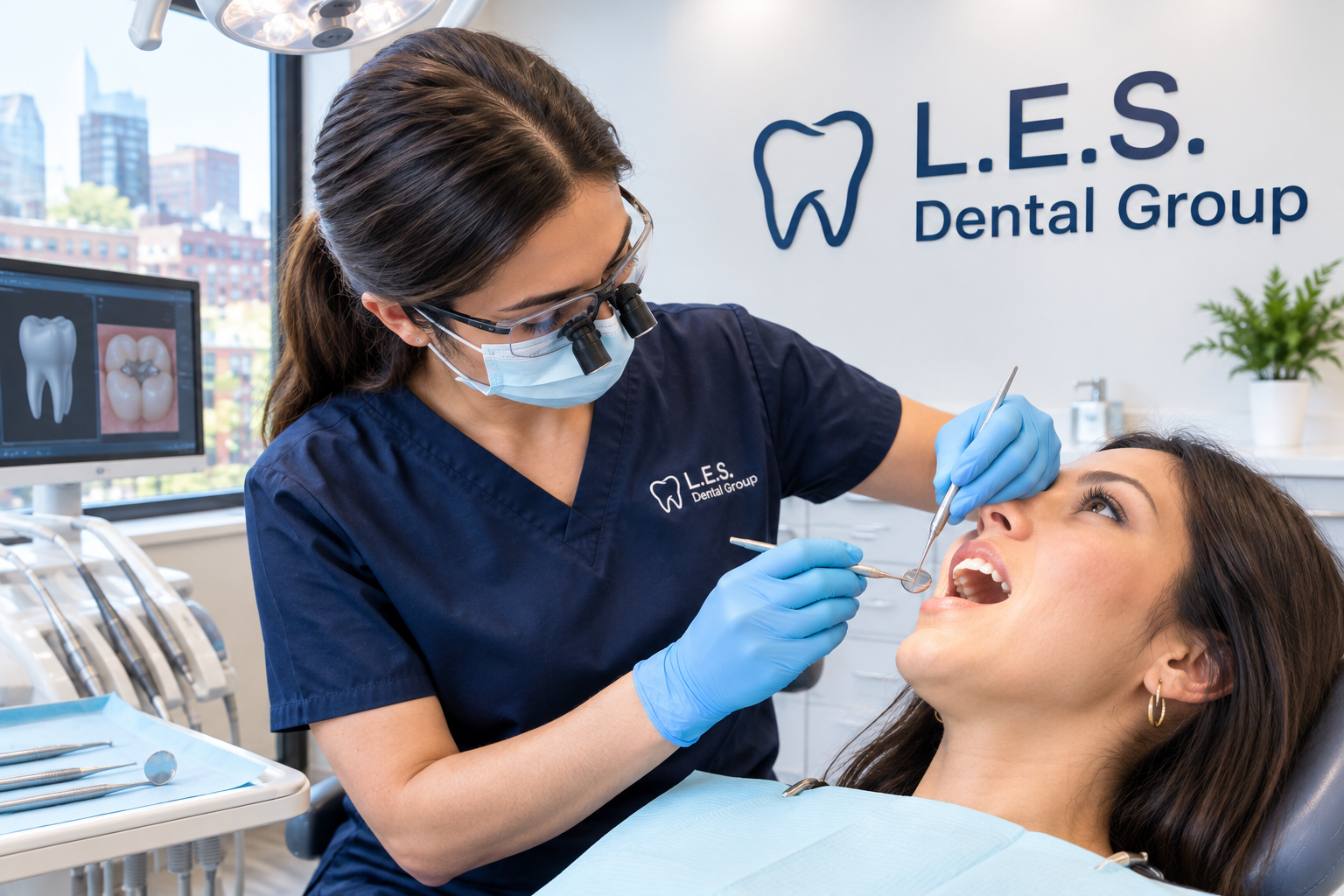
A damaged or infected tooth can cause persistent pain, sensitivity, swelling, or discomfort when eating. When the inner part of a tooth becomes infected, root canal treatment may be recommended to remove the infection and protect the natural tooth.
For patients looking for root canal treatment in East Village, L.E.S. Dental Group provides comprehensive dental care in a convenient Lower East Side location. Our dental team evaluates the affected tooth and develops a treatment plan based on its condition, symptoms, and overall oral health.
What Is Root Canal Treatment?
Root canal treatment is a dental procedure used to treat infection or inflammation inside a tooth. The inner portion of the tooth, known as the pulp, contains nerves and blood vessels. If bacteria reach the pulp because of deep decay, cracks, trauma, or other damage, an infection can develop.
During a root canal, the dentist carefully removes the infected or damaged pulp, cleans and disinfects the inside of the tooth, and seals the space to help prevent further infection.
The goal is to preserve the natural tooth whenever possible rather than removing it.
When Do You Need a Root Canal?
Not every toothache requires root canal treatment. However, certain symptoms can indicate that the pulp inside a tooth may be damaged or infected.
Common signs include:
- Persistent tooth pain
- Severe sensitivity to hot or cold
- Pain when biting or chewing
- Swelling around the tooth
- Tender or swollen gums
- A darkening or discolouration of the tooth
- A recurring dental abscess
- A pimple or drainage near the gum
- Deep tooth decay
- A cracked or damaged tooth
Some teeth with pulp infection may cause little or no noticeable pain. For this reason, a dental examination is important when there is known tooth damage or an unexplained change in the tooth.
What Causes a Tooth Infection?
A tooth infection can develop when bacteria enter the inner portion of the tooth. This can happen for several reasons.
Deep Tooth Decay
Untreated cavities can continue to progress through the layers of a tooth. If decay reaches the pulp, inflammation or infection may occur.
Cracked or Damaged Teeth
A crack can provide bacteria with a pathway into the inner tooth. Depending on the extent of the damage, root canal treatment may be needed to preserve the tooth.
Dental Trauma
An injury to the tooth can damage the pulp even when there is no obvious crack or break. Symptoms may develop immediately or appear later.
Repeated Dental Procedures
A tooth that has undergone multiple dental procedures may become more vulnerable to pulp irritation or damage.
What Happens During Root Canal Treatment?
Root canal treatment is a procedure designed to treat infection or inflammation inside a tooth while preserving as much of the natural tooth as possible. If bacteria reach the pulp because of deep decay, a crack, trauma, or other dental damage, the tissue inside the tooth can become infected.
If you are considering root canal treatment in East Village, understanding what happens during the procedure can help you feel more prepared. While every case is different, root canal treatment generally involves several important stages, from diagnosis and preparation to cleaning, sealing, and restoring the tooth.
1. Examination and Diagnosis
The first step is a thorough dental examination. Your dentist will ask about your symptoms, including any tooth pain, sensitivity, swelling, discomfort when biting, or changes in the colour of the tooth.
The dentist will examine the affected tooth and the surrounding gums. Dental X-rays may also be taken to provide a clearer view of the tooth's roots and the surrounding bone.
X-rays can help the dentist identify the location and extent of an infection and determine the shape and number of root canals that may need treatment.
The examination is also important because tooth pain can have several possible causes. Your dentist will determine whether the symptoms are consistent with an infected or damaged pulp and whether root canal treatment is an appropriate option.
2. Numbing the Tooth
Before the procedure begins, the dentist uses a local anaesthetic to numb the tooth and surrounding area.
Numbing the area helps minimise discomfort while the dentist works on the tooth. Patients may feel some pressure during the procedure, but the treatment area should be adequately anaesthetised.
If you feel uncomfortable at any point during treatment, let your dental team know so they can address it.
3. Accessing the Tooth
Once the tooth is numb, the dentist creates a small opening in the tooth. This opening provides access to the pulp chamber and the root canals inside the tooth.
The size and location of the access opening depend on the tooth being treated. Front teeth, premolars, and molars have different structures, so the approach can vary from one patient to another.
The dentist works carefully to preserve as much healthy tooth structure as possible while gaining access to the infected or inflamed tissue.
4. Removing the Infected or Damaged Pulp
Inside the tooth is a soft tissue called the dental pulp. It contains nerves, blood vessels, and connective tissue.
When the pulp becomes severely inflamed or infected, it may cause persistent pain or sensitivity. During root canal treatment, the dentist removes the damaged pulp from the pulp chamber and root canals.
Specialised dental instruments are used to carefully clean the canals and remove the affected tissue.
Removing the infected pulp helps eliminate the source of infection while allowing the natural outer structure of the tooth to remain in place.
5. Cleaning and Disinfecting the Root Canals
After the damaged pulp has been removed, the root canals are carefully cleaned and shaped.
Root canals can be narrow and have curves or branches, so cleaning them requires precision. The dentist removes remaining tissue and bacteria from inside the canals and prepares the spaces for filling.
The canals are also disinfected to help reduce the number of bacteria that could contribute to continued infection.
This stage is particularly important because bacteria left inside the root canal system can contribute to persistent or recurring infection.
6. Filling and Sealing the Root Canals
Once the canals have been thoroughly cleaned and prepared, they are filled with a specialised material designed to seal the spaces.
The purpose of sealing the canals is to help prevent bacteria and fluids from entering the cleaned root canal system again.
The dentist carefully fills the canals and checks the treated tooth to ensure the filling and seal are appropriate.
Depending on the condition of the tooth and the treatment plan, the dentist may complete the final restoration at the same appointment or schedule another visit.
7. Restoring the Tooth
Root canal treatment removes infection from inside the tooth, but the tooth may need additional protection afterward.
Depending on how much healthy tooth structure remains and which tooth has been treated, the dentist may recommend a filling or dental crown.
A crown may be recommended when a significant amount of tooth structure has been lost or when additional protection is needed. This can be particularly important for back teeth because they experience substantial chewing forces.
The final restoration helps seal the tooth and restore its shape and function.
Your dentist will evaluate the condition of the tooth and recommend the restoration that best suits your individual situation.
8. Checking the Treated Tooth
After the root canal procedure and restoration, your dentist may evaluate the tooth to make sure it is functioning properly.
You may experience some tenderness or sensitivity around the treated area for a short period following treatment. This can occur as the surrounding tissues recover.
Your dentist in east village at LES Dental Group will provide aftercare instructions and let you know if you need a follow-up appointment.
Why Is Each Step Important?
Every stage of root canal treatment has a specific purpose. The examination helps identify the source of the problem. Numbing the tooth helps make treatment mo
Does Root Canal Treatment Hurt?
One of the most common questions patients have when considering root canal treatment is whether the procedure will be painful. Many people associate root canals with significant discomfort, often because of older experiences or misconceptions about the treatment.
Modern dental techniques, local anaesthesia, and improved treatment methods are designed to make root canal treatment as comfortable as possible. In many cases, the discomfort associated with an infected tooth is greater than the discomfort experienced during the procedure itself.
What Does Root Canal Treatment Feel Like?
Before treatment begins, your dentist will use local anaesthetic to numb the affected tooth and the surrounding area. This helps prevent pain while the dentist accesses the tooth, removes the damaged pulp, and cleans the root canals.
You may notice some pressure or movement during the procedure, particularly when the dentist is working on the tooth, but you should not normally experience significant pain while the area is properly numbed.
If you feel uncomfortable during treatment, tell your dentist. Additional anaesthetic or other measures may be used to improve your comfort.
Can an Infected Tooth Hurt More Than a Root Canal?
A tooth that needs root canal treatment may already be causing significant discomfort. Infection or inflammation inside the tooth can result in:
- Persistent toothache
- Throbbing pain
- Sensitivity to hot or cold
- Pain when biting or chewing
- Tenderness around the tooth
- Swelling in the gums
- Pain that radiates to the jaw or surrounding areas
Treating the underlying problem can help address the source of this discomfort. In some cases, patients notice that their original tooth pain improves after the infected pulp has been treated.
Is There Pain After a Root Canal?
It is possible to experience some tenderness or sensitivity after root canal treatment. This does not necessarily mean that something has gone wrong.
The tissues surrounding the treated tooth can remain sensitive while they recover. You may notice mild discomfort when biting or applying pressure to the tooth, particularly during the first few days.
Your dentist can provide specific aftercare instructions based on your treatment and explain how to manage any expected discomfort.
How Long Does Discomfort Last?
Post-treatment discomfort varies from person to person. Some patients experience very little discomfort, while others may notice tenderness for several days.
The amount of discomfort can depend on factors such as the severity of the original infection, the condition of the tooth, and the complexity of the root canal treatment.
If discomfort continues to worsen rather than gradually improving, or if you develop significant swelling or other concerning symptoms, contact your dental office for an evaluation.
Does the Tooth Feel Different After Treatment?
After a root canal, the tooth may initially feel different because the surrounding tissues have been treated. Once the area has recovered and the final restoration has been completed, the tooth can generally be used for normal chewing.
A tooth that has undergone root canal treatment may also require a crown or another restoration, depending on how much natural tooth structure remains. Completing the recommended restoration can help protect the tooth from further damage.
What Can Make Root Canal Treatment More Comfortable?
Several steps can help improve your experience during treatment:
Local anaesthesia: Your dentist will numb the treatment area before beginning the procedure.
Careful examination: Understanding the source and extent of the problem allows the dentist to plan the appropriate treatment.
Modern techniques: Contemporary instruments and treatment methods allow dentists to clean and treat the root canal system more precisely.
Following aftercare instructions: Taking care of the treated tooth after your appointment can support recovery and reduce unnecessary irritation.
When Should You See a Dentist?
If you have persistent tooth pain or sensitivity, it is important not to ignore the symptoms. Dental infections can progress even when pain temporarily improves.
You should arrange a dental examination if you experience persistent toothache, pain when chewing, prolonged sensitivity to hot or cold, swelling, or other changes around a tooth.
For patients looking for root canal treatment in East Village, L.E.S. Dental Group can examine the affected tooth and determine whether root canal treatment or another form of dental care may be appropriate.
Early evaluation can help identify the cause of your symptoms and allow your dentist to discuss suitable treatment options before the problem becomes more extensive.
Why Save a Natural Tooth?
When a tooth can be successfully treated, preserving it can have important benefits.
Keeping your natural tooth can help maintain normal chewing function and preserve the surrounding teeth. It can also avoid the need for tooth replacement following an extraction.
Root canal treatment is one option dentists may use when the tooth is structurally suitable for preservation.
Root Canal Treatment vs. Tooth Extraction in East Village
When a tooth is severely infected or damaged, patients may wonder whether extraction is a better option.
Extraction removes the affected tooth, while root canal treatment aims to remove the infection while keeping the natural tooth.
If the tooth can be restored, preserving it may be considered before extraction. However, the appropriate treatment depends on factors such as the amount of remaining tooth structure, the extent of infection, cracks or fractures, and the overall condition of the tooth.
Your dentist can explain the available options after examining your tooth.
What Happens After a Root Canal?
Following root canal treatment, it is important to follow your dentist's instructions. Avoid putting excessive pressure on a tooth that still needs its final restoration.
If a crown has been recommended, completing the restoration can help protect the treated tooth from further damage.
You should also continue regular brushing, flossing, dental check-ups, and professional cleanings. A root canal treats the infected pulp, but the restored tooth can still develop decay if proper oral hygiene is not maintained.
How Long Does Root Canal Treatment Take?
The amount of time required depends on the tooth and the complexity of the infection. Some cases can be completed in a single appointment, while others may require additional visits.
Factors that can affect treatment time include:
- The location of the tooth
- The number and shape of root canals
- The severity of the infection
- Whether the tooth requires additional treatment
- The type of final restoration needed
Your dentist can provide a more specific timeline after examining the tooth.
Why Choose L.E.S. Dental Group for Root Canal Treatment in East Village?
If you are searching for root canal treatment in East Village NYC, L.E.S. Dental Group provides dental care for patients experiencing tooth pain, decay, infection, and other dental concerns.
Our team focuses on identifying the cause of your symptoms and discussing appropriate treatment options. Whether you need evaluation for a painful tooth or have been advised that you may need a root canal, a dental examination can help determine the next step.
L.E.S. Dental Group is conveniently located near the East Village and Lower East Side, making it accessible for patients seeking comprehensive dental care in Lower Manhattan.
Book a Root Canal Consultation in East Village
Persistent tooth pain should not be ignored. If you are experiencing sensitivity, swelling, pain when chewing, or other signs of a possible tooth infection, schedule a dental examination.
L.E.S. Dental Group can evaluate your tooth and discuss whether root canal treatment or another option may be appropriate for your situation.
Contact L.E.S. Dental Group today to schedule your consultation for root canal treatment in East Village NYC and take the next step toward protecting your natural smile.
Quick Links
Helpful Articles
article_category: East Village
article_category: products
article_category: psychiatry
article_category: faqs
article_category: cats
article_category: general
article_category: services
article_category: technology
article_category: dogs
article_category: restorative
article_category: vision therapy
article_category: contact lenses
article_category: health
article_category: conditions
article_category: eye surgery co-management
article_category: exotic
article_category: cosmetic
article_category: surgical procedures
article_category: aesthetics
article_category: preventative
article_category: ocular disease management
article_category: eyeglasses
article_category: eye health
article_category: large animal
[]
article_category: products
article_category: psychiatry
article_category: faqs
article_category: cats
article_category: general
article_category: services
article_category: technology
article_category: dogs
article_category: restorative
article_category: vision therapy
article_category: contact lenses
article_category: health
article_category: conditions
article_category: eye surgery co-management
article_category: exotic
article_category: cosmetic
article_category: surgical procedures
article_category: aesthetics
article_category: preventative
article_category: ocular disease management
article_category: eyeglasses
article_category: eye health
article_category: large animal
[]
Flowbite is an open-source library of interactive components built on top of Tailwind CSS including buttons, dropdowns, modals, navbars, and more.
Check out this guide to learn how to get started and start developing websites even faster with components on top of Tailwind CSS.

Keep In Touch
For non-urgent questions or to learn more about our services, contact us today!
© 2026 L.E.S. Dental Group. All rights Reserved - Accessibility Statement - Privacy Policy - Sitemap
Managed and Designed by 