
Root Canal Treatment in Chinatown NYC | L.E.S. Dental Group
Blog:Root Canal Treatment in Chinatown NYC | L.E.S. Dental Group
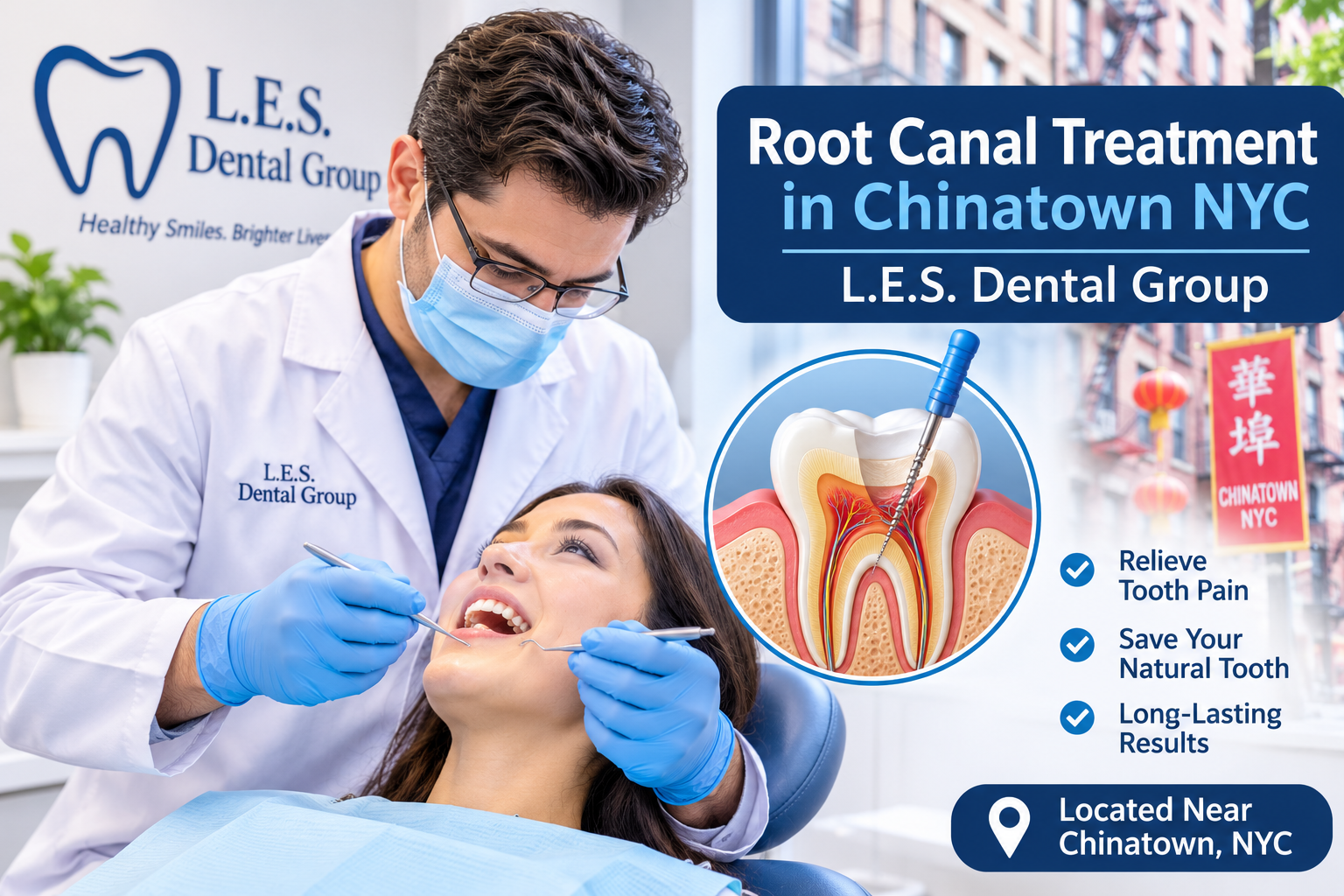
Tooth pain can make everyday activities such as eating, drinking, and speaking uncomfortable. If you are experiencing persistent toothache, sensitivity to hot or cold foods, or swelling around a tooth, you may have an infection that requires professional dental attention. Finding reliable root canal treatment in Chinatown NYC can help you address the problem, relieve discomfort, and preserve your natural tooth.
At L.E.S. Dental Group, patients from Chinatown, the Lower East Side, and surrounding Manhattan neighbourhoods can access restorative dental care, including root canal treatment. Located at 62 Rivington Street, New York, NY 10002, the practice has served the Lower East Side community for nearly four decades and offers a range of general, preventive, cosmetic, and restorative dental services.
Whether you have been experiencing ongoing tooth pain or your dentist has recommended a root canal, understanding the procedure can help you make an informed decision about your oral health.
What Is Root Canal Treatment?
Root canal treatment, also known as endodontic treatment, is a dental procedure used to treat infection or inflammation inside a tooth. Beneath the hard outer layers of enamel and dentine is a soft area called the dental pulp. It contains nerves, blood vessels, and connective tissue.
When bacteria reach the pulp through deep tooth decay, cracks, fractures, or dental injuries, the tissue can become inflamed or infected. If left untreated, the infection may spread to the surrounding tissues and potentially cause an abscess.
During a root canal procedure, the dentist removes the infected or damaged pulp, cleans and disinfects the inside of the tooth, and seals the root canals to help prevent further infection.
The primary goal is to save your natural tooth rather than remove it. Once treatment is completed and the tooth is properly restored, it can continue to function for many years.
Signs You May Need Root Canal Treatment in Chinatown NYC
Tooth pain does not always mean you need a root canal. However, certain symptoms may indicate that the pulp inside your tooth has become damaged or infected.
Some common warning signs include:
- Persistent toothache: Pain that continues or returns without an obvious reason may indicate an issue inside the tooth.
- Sensitivity to hot and cold: Lingering discomfort after drinking hot coffee or eating something cold can be a sign of pulp inflammation.
- Pain when chewing: Discomfort when biting down or applying pressure may suggest infection or damage.
- Swollen or tender gums: Swelling around a particular tooth can indicate an underlying dental infection.
- Tooth discolouration: A tooth that becomes grey or darker than surrounding teeth may have experienced internal damage.
- A pimple-like bump on the gums: A small bump near a tooth can sometimes indicate an abscess or draining infection.
- Cracked or injured tooth: Dental trauma can damage the pulp, even when the outside of the tooth appears relatively normal.
It is important to remember that some infected teeth cause very little pain. A dental examination can help identify the problem and determine whether root canal treatment is necessary.
If you notice any of these symptoms, consider arranging a dental evaluation at L.E.S. Dental Group.
What Causes a Tooth to Need a Root Canal?
The pulp inside a tooth is protected by enamel and dentine. However, certain dental conditions can allow bacteria or physical damage to affect this sensitive tissue.
1. Deep Tooth Decay
Untreated cavities can gradually extend through the enamel and dentine until bacteria reach the pulp. When decay becomes severe, a regular dental filling may no longer be enough to restore the tooth.
Root canal treatment may be recommended to remove the infected tissue and preserve the remaining tooth structure.
2. Cracked or Broken Teeth
A crack or fracture can create an opening that allows bacteria to enter the inner portion of a tooth. Even small cracks can cause significant discomfort and may require professional attention.
3. Repeated Dental Procedures
A tooth that has undergone multiple dental procedures may experience irritation or damage to its pulp over time. In certain cases, root canal treatment may become necessary.
4. Dental Trauma
An accident, sports injury, or direct impact can damage the pulp. Sometimes symptoms develop immediately, while in other situations the damage becomes noticeable months after the injury.
5. Untreated Dental Infection
When bacteria spread into the pulp, the resulting infection can affect the root canals and surrounding bone. Early diagnosis and appropriate treatment can help prevent further complications.
How Does Root Canal Treatment Work?
Many people feel nervous when they hear the words "root canal." However, modern dental techniques and local anaesthesia can make the procedure more comfortable than patients often expect.
The exact treatment plan depends on the condition of your tooth, its root structure, and the extent of the infection.
Here is what you can generally expect during a root canal procedure.
Step 1: Dental Examination and Diagnosis
Your dentist first examines the affected tooth and discusses your symptoms. Dental X-rays may be taken to assess the root structure, identify signs of infection, and understand the extent of the damage.
Based on the examination, your dentist will determine whether root canal treatment is appropriate.
Step 2: Local Anaesthesia
Before starting the procedure, local anaesthesia is administered to numb the affected area. This helps minimise discomfort during treatment.
If you experience dental anxiety, let your dental team know so they can discuss ways to make your visit more comfortable.
Step 3: Removing the Infected Pulp
Once the tooth is numb, the dentist creates a small opening in its crown to access the pulp chamber and root canals.
The damaged or infected pulp tissue is then carefully removed.
Step 4: Cleaning and Disinfecting the Root Canals
The root canals are cleaned, shaped, and disinfected using specialised dental instruments and solutions.
This process removes remaining infected tissue and helps reduce bacteria inside the tooth.
Step 5: Filling and Sealing the Tooth
After cleaning, the canals are filled with a suitable biocompatible material, commonly gutta-percha, and sealed to help prevent bacteria from entering again.
Step 6: Final Tooth Restoration
Depending on how much natural tooth structure remains, your dentist may recommend a filling or dental crown.
A crown is often recommended for teeth that need additional strength and protection, particularly back teeth that experience significant chewing pressure.
Is Root Canal Treatment Painful?
One of the most common concerns patients have is whether a root canal will hurt.
In most cases, the procedure is performed using local anaesthesia to numb the tooth and surrounding area. Patients may feel pressure or movement during treatment, but significant pain should be addressed by the dental team during the procedure.
It is also important to understand that the infection itself may be responsible for much of the discomfort people associate with root canals. Treatment is intended to remove the source of the problem and help relieve that discomfort.
After the procedure, some tenderness or mild soreness may occur for a few days. This is generally manageable with appropriate aftercare and medication recommended by your dentist.
If you experience severe or worsening pain, significant swelling, or symptoms that do not improve, contact your dental office for further evaluation.
Benefits of Root Canal Treatment in Chinatown NYC
When a tooth becomes infected, extraction is not always the only option. Root canal treatment offers several benefits when the tooth can be successfully restored.
Preserves Your Natural Tooth
Keeping your natural teeth is generally preferable whenever possible. Root canal treatment removes the infected tissue while allowing the remaining tooth structure to stay in place.
Helps Relieve Tooth Pain
By removing inflamed or infected pulp tissue, the procedure addresses a common source of persistent dental pain.
Helps Control Infection
Cleaning and sealing the root canals helps treat the infection and reduce the risk of further complications.
Maintains Your Natural Bite
Saving the affected tooth helps maintain your natural bite and chewing function. It can also reduce the likelihood of neighbouring teeth shifting into an empty space.
Supports Long-Term Oral Health
With proper restoration, regular dental check-ups, and good oral hygiene, a root canal-treated tooth can remain functional for many years.
Why Might You Need a Dental Crown After a Root Canal?
A dental crown is often recommended after root canal treatment, especially when the affected tooth has extensive decay or structural damage.
During treatment, the dentist removes the infected pulp and creates an opening to access the inner portion of the tooth. If a large amount of natural tooth structure has already been lost, the remaining tooth may be more vulnerable to fractures.
A dental crown covers the visible portion of the tooth, helping restore its shape, strength, and function.
Your dentist in chinatown Nyc will assess the condition of the tooth and recommend the most appropriate restoration. In some cases, a filling may be sufficient, while other teeth benefit from the additional protection of a crown.
If you need both treatments, ask your dentist about the expected treatment sequence and restoration options.
What to Expect After Root Canal Treatment
Recovery following a root canal is usually straightforward, although some tenderness may occur while the surrounding tissues heal.
Following your dentist's instructions can help support a smooth recovery.
Here are some general aftercare recommendations:
- Avoid chewing on the treated tooth: Be careful with the affected side, particularly if you have a temporary filling or have not yet received your permanent crown.
- Choose softer foods: Foods such as yoghurt, eggs, mashed potatoes, and soft vegetables may be more comfortable initially.
- Maintain oral hygiene: Continue brushing and flossing carefully to keep the treated area clean.
- Follow medication instructions: Take any prescribed or recommended medication according to your dentist's directions.
- Attend follow-up appointments: Complete any recommended restoration and review appointments.
- Contact your dentist if symptoms worsen: Increasing pain, swelling, or other unusual symptoms should be evaluated.
Avoid delaying the final restoration if your dentist recommends a crown. Protecting the treated tooth is an important part of maintaining the result.
How Long Does Root Canal Treatment Take?
The time required for root canal treatment varies depending on the tooth's location, root anatomy, and the severity of the infection.
Some procedures can be completed in a single appointment, while more complicated cases may require additional visits.
Front teeth generally have fewer root canals than molars, which can make treatment more straightforward. Back teeth often have more complex root structures and may require additional time.
Your dentist can provide a more accurate estimate after examining your tooth and reviewing any necessary X-rays.
How Long Does a Root Canal-Treated Tooth Last?
A tooth that has undergone root canal treatment can last for many years, and in some cases, for a lifetime.
However, its longevity depends on several factors, including:
- The quality of the root canal treatment.
- The amount of natural tooth structure remaining.
- Whether the tooth receives the recommended permanent restoration.
- Your daily brushing and flossing habits.
- Regular dental examinations and professional cleaning.
- Avoiding habits such as chewing ice or biting hard objects.
A root canal-treated tooth still needs routine care. The procedure does not make the remaining tooth structure immune to cavities or gum disease.
Root Canal Treatment in Chinatown NYC: Why Choose L.E.S. Dental Group?
If you are searching for root canal treatment in Chinatown NYC, choosing a dental practice that can evaluate your symptoms and explain your treatment options is an important first step.
L.E.S. Dental Group is located at 62 Rivington Street in Manhattan's Lower East Side, conveniently serving patients from Chinatown and nearby neighbourhoods.
The practice has been part of the Lower East Side community for nearly four decades and offers a range of dental services, including general, preventive, restorative, cosmetic, and implant dentistry. Root canal treatment is also listed among its dental services.
Schedule Your Root Canal Consultation at L.E.S. Dental Group
Tooth pain should never be ignored. Early diagnosis and appropriate treatment can help prevent complications, protect your natural teeth, and support better oral health.
If you are searching for root canal treatment in Chinatown NYC, L.E.S. Dental Group is conveniently located near Chinatown and the Lower East Side. The practice offers root canal services alongside a range of general and restorative dental treatments.
Contact the office to arrange an evaluation, discuss your symptoms, and learn about the treatment options available for your tooth.
Quick Links

Keep In Touch
For non-urgent questions or to learn more about our services, contact us today!
© 2026 L.E.S. Dental Group. All rights Reserved - Accessibility Statement - Privacy Policy - Sitemap
Managed and Designed by 