
Orthodontist in Lower Manhattan | L.E.S. Dental Group
Blog:Orthodontist in Lower Manhattan | L.E.S. Dental Group
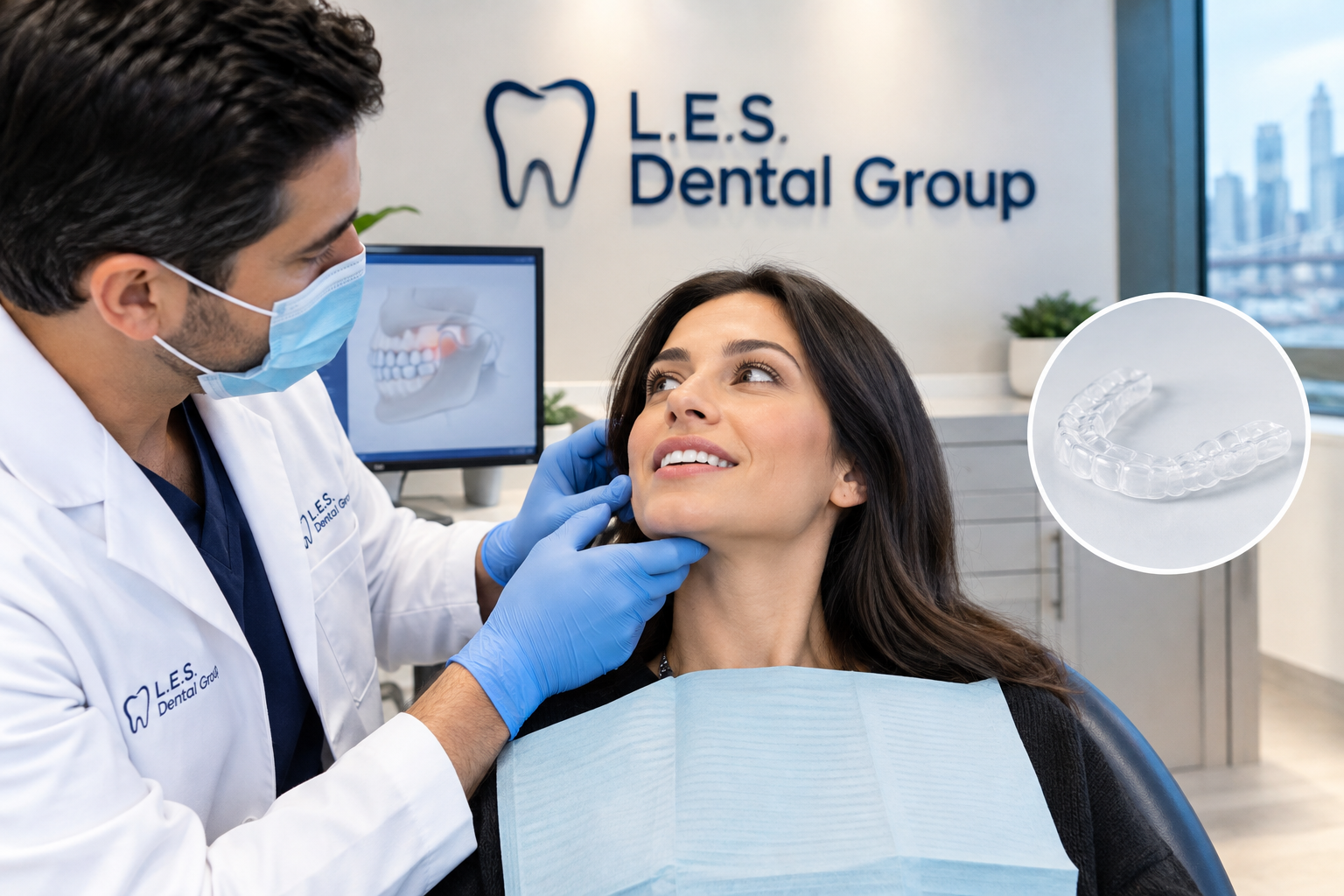
A straight, well-aligned smile can make it easier to maintain good oral hygiene and may contribute to a more balanced bite. If your teeth are crowded, spaced apart, rotated, or improperly aligned, orthodontic treatment may help improve both the appearance and function of your smile.
If you are searching for an orthodontist in Lower Manhattan, L.E.S. Dental Group can evaluate your teeth and discuss treatment options based on your individual needs. Orthodontic care can be tailored for teenagers and adults who want to address alignment concerns and achieve a healthier-looking smile.
What Does an Orthodontist Do?
An orthodontist specialises in diagnosing and treating problems involving the alignment of teeth and the relationship between the upper and lower jaws.
Orthodontic treatment can address concerns such as:
- Crowded teeth
- Gaps between teeth
- Crooked or rotated teeth
- Overbite
- Underbite
- Crossbite
- Open bite
- Uneven tooth alignment
- Certain jaw alignment concerns
Treatment is designed to gradually move teeth into more appropriate positions and, when necessary, improve the relationship between the upper and lower teeth.
Why Consider Orthodontic Treatment?
Orthodontic treatment is not only about creating a straighter smile. Proper tooth alignment can also make some areas of the mouth easier to clean and may improve the way your teeth come together when you bite and chew.
Depending on your individual situation, orthodontic treatment may help:
- Improve tooth alignment
- Address dental crowding
- Close unwanted spaces
- Improve certain bite problems
- Make brushing and flossing easier
- Create a more balanced-looking smile
- Improve the overall function of your bite
Your dentist or orthodontic provider can determine whether orthodontic treatment is appropriate after examining your teeth and bite.
Common Orthodontic Problems
Crowded Teeth
Crowding occurs when there is insufficient space for all the teeth to fit properly within the dental arch. Teeth may overlap, rotate, or become positioned behind or in front of neighbouring teeth.
Crowded teeth can make certain areas more difficult to brush and floss effectively. Orthodontic treatment can gradually reposition the teeth and create a more organised alignment.
Gaps Between Teeth
Spaces between teeth are known as gaps or spacing. Some gaps are natural, while others may develop because of tooth size, missing teeth, gum-related issues, or other factors.
Orthodontic treatment can sometimes be used to move teeth closer together and improve the appearance of unwanted spaces.
Overbite Tooth Treatment in Lower Manhattan
An overbite occurs when the upper front teeth overlap the lower front teeth more than expected. The degree and cause of an overbite can vary from person to person.
An orthodontic evaluation can help determine the nature of the bite and whether treatment may be appropriate.
Underbite
An underbite occurs when the lower teeth extend in front of the upper teeth when the mouth is closed.
Underbites can involve the position of the teeth, the jaws, or both. Treatment options depend on the patient's age and the underlying cause.
Crossbite
A crossbite occurs when some upper teeth sit inside the lower teeth rather than outside them when the mouth is closed.
If left untreated, certain types of crossbite may contribute to uneven tooth wear or other functional concerns. An orthodontic evaluation can help determine the appropriate approach.
Open Bite
An open bite occurs when some upper and lower teeth do not meet when the mouth is closed. It may affect the front or back teeth.
Several factors can contribute to an open bite, including tooth positioning and certain childhood habits. Treatment depends on the individual's dental development and the underlying cause.
Orthodontic Treatment for Adults
Orthodontic treatment is not limited to children and teenagers. Many adults choose to improve their tooth alignment for cosmetic or functional reasons.
Adults may seek orthodontic care because they have:
- Teeth that have shifted over time
- Increasing crowding
- New spaces between teeth
- An uneven bite
- Cosmetic concerns about crooked teeth
- Previous orthodontic treatment followed by tooth movement
A dental examination can determine whether orthodontic treatment is appropriate and which options may be available.
Invisalign and Clear Aligners
Clear aligners are an alternative to traditional braces for certain orthodontic cases. Invisalign uses a series of removable, transparent aligners that gradually move the teeth according to a planned treatment programme.
Because clear aligners are removable, patients can take them out when eating, drinking, brushing, and flossing. They are also designed to be less noticeable than traditional metal braces.
However, clear aligners are not appropriate for every orthodontic problem. The suitability of Invisalign depends on factors such as the degree of tooth movement required, the patient's bite, and overall dental health.
If you are interested in discreet orthodontic treatment, an orthodontic consultation can help determine whether clear aligners may be an option for you.
Traditional Braces
Traditional braces use brackets and wires to apply controlled forces to the teeth. They have been used for many years to address a wide range of alignment and bite concerns.
Braces may be considered when more complex tooth movements are required or when clear aligners are not the most suitable option.
Your dental professional can explain the advantages, limitations, expected treatment time, and maintenance requirements associated with different orthodontic approaches.
How Long Does Orthodontic Treatment Take?
The length of orthodontic treatment varies from patient to patient. It depends on the type and severity of the alignment problem, the treatment method, the amount of tooth movement required, and how consistently the patient follows treatment instructions.
Some cases may require relatively short treatment, while more complex cases can take considerably longer.
During your consultation, your dental professional can assess your teeth and provide a more personalised estimate based on your treatment needs.
What Happens During an Orthodontic Consultation in Lower Manhattan?
An orthodontic consultation begins with an examination of your teeth and bite. Your dental professional may evaluate:
- Tooth alignment
- Dental crowding
- Spaces between teeth
- Upper and lower jaw relationship
- Bite position
- Gum health
- Existing dental restorations
- Overall oral health
Depending on your circumstances, dental X-rays, photographs, scans, or other diagnostic records may be recommended.
After the evaluation, your dental professional can explain your treatment options and answer questions about the expected process, duration, and maintenance.
Maintaining Your Teeth During Orthodontic Treatment
Good oral hygiene is particularly important while undergoing orthodontic treatment.
Patients with braces or aligners should continue to brush thoroughly and clean between their teeth regularly. Food particles and plaque can accumulate around orthodontic appliances, increasing the risk of tooth decay and gum problems.
Regular dental examinations and professional cleanings can also help maintain oral health throughout treatment.
If you wear removable clear aligners, cleaning the aligners according to the manufacturer's and dental professional's instructions is also important.
Retainers After Orthodontic Treatment
Completing orthodontic treatment does not necessarily mean your teeth will remain permanently in their new positions without additional care.
Retainers are commonly used after orthodontic treatment to help maintain tooth alignment. Teeth can naturally shift over time, and wearing a retainer as instructed can help preserve the results of treatment.
Your dental professional will explain how often your retainer should be worn and how to care for it.
Choosing an Orthodontist in Lower Manhattan
When considering orthodontic treatment, it is important to have your teeth and bite properly evaluated before choosing a treatment approach.
A consultation allows your dental professional to understand your concerns, examine your oral health, and discuss available options. Treatment should be based on your individual dental needs rather than simply selecting the most popular orthodontic appliance.
At L.E.S. Dental Group, patients looking for an orthodontist in Lower Manhattan can discuss concerns about crooked teeth, spacing, crowding, bite problems, and other alignment issues.
Orthodontist in Lower Manhattan at L.E.S. Dental Group
L.E.S. Dental Group provides dental care for patients in Lower Manhattan and the surrounding New York City communities. If you are concerned about crooked teeth, crowded teeth, gaps, or your bite, an orthodontic evaluation can help you understand your available treatment options.
Whether you are considering traditional braces or clear aligners, the first step is an examination of your teeth and overall oral health.
Schedule an Orthodontic Consultation in Lower Manhattan
A straighter smile begins with understanding your current dental alignment and the treatment options available to you. Professional orthodontic care can address a variety of tooth and bite concerns while helping you work towards your desired smile.
If you are searching for an orthodontist in Lower Manhattan, contact L.E.S. Dental Group to schedule a consultation and discuss your orthodontic needs.
Quick Links
Helpful Articles
article_category: East Village
article_category: products
article_category: psychiatry
article_category: faqs
article_category: cats
article_category: general
article_category: services
article_category: technology
article_category: dogs
article_category: restorative
article_category: vision therapy
article_category: contact lenses
article_category: health
article_category: conditions
article_category: eye surgery co-management
article_category: exotic
article_category: cosmetic
article_category: surgical procedures
article_category: aesthetics
article_category: preventative
article_category: ocular disease management
article_category: eyeglasses
article_category: eye health
article_category: large animal
[]
article_category: products
article_category: psychiatry
article_category: faqs
article_category: cats
article_category: general
article_category: services
article_category: technology
article_category: dogs
article_category: restorative
article_category: vision therapy
article_category: contact lenses
article_category: health
article_category: conditions
article_category: eye surgery co-management
article_category: exotic
article_category: cosmetic
article_category: surgical procedures
article_category: aesthetics
article_category: preventative
article_category: ocular disease management
article_category: eyeglasses
article_category: eye health
article_category: large animal
[]
Flowbite is an open-source library of interactive components built on top of Tailwind CSS including buttons, dropdowns, modals, navbars, and more.
Check out this guide to learn how to get started and start developing websites even faster with components on top of Tailwind CSS.

Keep In Touch
For non-urgent questions or to learn more about our services, contact us today!
© 2026 L.E.S. Dental Group. All rights Reserved - Accessibility Statement - Privacy Policy - Sitemap
Managed and Designed by 