
Dental Implants in Lower East Side NYC | Tooth Replacement
Blog:Dental Implants in Lower East Side NYC | Tooth Replacement
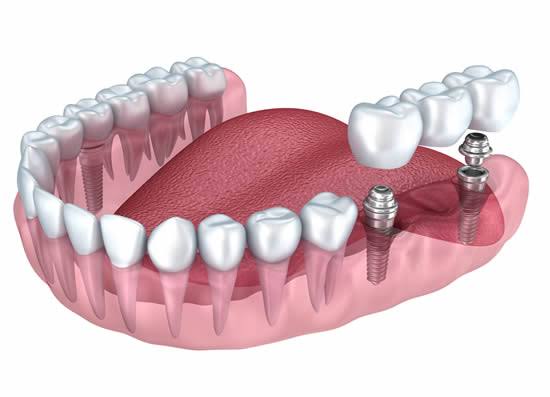
Missing teeth can affect much more than the appearance of your smile. Tooth loss can make eating and speaking more difficult and may also affect the surrounding teeth and jawbone over time. Fortunately, modern restorative dentistry offers several options for replacing missing teeth, including dental implants.
If you are searching for dental implants in Lower East Side NYC, LES Dental Group provides implant dentistry designed to restore the function, appearance, and stability of your smile.
What Are Dental Implants?
Dental implants are a long-term tooth replacement option designed to replace the root of a missing tooth. An implant is typically placed into the jawbone and provides a stable foundation for a dental crown, bridge, or other restoration.
Unlike traditional removable dentures, dental implants are designed to remain securely in place. Once the implant integrates with the surrounding bone, it can provide a strong foundation for a natural-looking replacement tooth.
Who May Need Dental Implants?
Dental implants may be considered for patients who have lost one or more teeth due to decay, gum disease, injury, or other dental conditions.
You may be a candidate for dental implants in Lower East Side if you:
- Have one or more missing teeth
- Have sufficient bone to support an implant
- Have healthy or treatable gums
- Want a stable alternative to removable dentures
- Want to restore your ability to chew comfortably
- Want a natural-looking tooth replacement
A dental implant consultation is important because every patient's oral health and treatment needs are different.
Benefits of Dental Implants
Dental implants offer a reliable solution for patients with missing teeth. They can restore chewing function, improve the appearance of your smile, and provide long-term support for replacement teeth.
Natural-Looking Appearance
Dental implants can be designed to closely match the colour, shape, and appearance of your natural teeth. Dental implants in Lower East Side NYC can provide a seamless, natural-looking restoration.
Improved Chewing Function
Missing teeth can make eating certain foods difficult or uncomfortable. Dental implants provide a stable foundation for replacement teeth, helping restore comfortable and natural chewing function.
Long-Term Tooth Replacement
With proper oral hygiene and regular dental check-ups, dental implants in Lower East Side can provide a durable, long-term option for replacing missing teeth.
Support for Jawbone Health
After tooth loss, the jawbone can gradually lose stimulation in the affected area. Dental implants are placed into the jawbone and can help maintain bone support around the implant site.
Protects Surrounding Teeth
Unlike some traditional dental bridges, an individual dental implant does not require reducing neighbouring healthy teeth for support. This allows the surrounding natural teeth to remain largely untouched.
Types of Dental Implant Restorations
Dental implants can be used to replace different numbers of missing teeth, depending on your oral health, jawbone condition, and individual treatment goals. Your dentist can evaluate your smile and recommend the most suitable implant restoration.
Single Dental Implants
A single dental implant in lower east side NYC is designed to replace one missing tooth without relying on neighbouring teeth for support. The implant is placed into the jawbone and supports a custom dental crown. The crown can be designed to closely match your natural teeth for a comfortable and natural-looking result.
Implant-Supported Bridges
If you have several adjacent missing teeth, an implant-supported bridge can provide a stable tooth replacement option. Dental implants are used to support the bridge rather than placing a separate implant for every missing tooth. This can restore chewing function while providing a secure and natural-looking smile.
Implant-Supported Dentures
Patients who are missing multiple teeth or an entire arch may benefit from implant-supported dentures in lower east side nyc or a full-arch restoration. Dental implants provide additional stability compared with traditional removable dentures. The recommended approach will depend on your bone structure, oral health, and overall treatment needs.
The Dental Implant Process
The dental implant process typically takes place over several stages. Your dentist will create a treatment plan based on your specific dental needs.
Consultation and Evaluation
The process begins with a comprehensive dental implant consultation. Your dentist will examine your teeth and gums and may use X-rays or other imaging to evaluate the implant site and surrounding bone.
Implant Placement
Once your treatment plan has been established, the dental implant is surgically placed into the jawbone. Local anaesthesia is typically used to keep the procedure comfortable.
Osseointegration
Following implant placement, the implant needs time to integrate with the surrounding jawbone. This process, known as osseointegration, provides the stability needed to support the final restoration.
Abutment Placement
Once the implant has integrated with the bone, an abutment may be attached. The abutment connects the implant to the final dental restoration.
Final Restoration
The final crown, bridge, denture, or other restoration is then attached to the implant. It is designed to restore the appearance and function of your smile.
Are Dental Implants Painful?
It is normal to have concerns about discomfort when considering dental implant treatment. Local anaesthesia is used during implant placement to help keep patients comfortable.
Some soreness, swelling, or sensitivity may occur after the procedure as the mouth heals. Your dentist will provide specific aftercare instructions to help support a smooth recovery.
How Long Do Dental Implants Last?
Dental implants are designed as a long-term solution for missing teeth. Their longevity can depend on factors such as oral hygiene, gum health, general health, lifestyle habits, and regular dental care.
Brushing, flossing, professional cleanings, and routine dental examinations are important for maintaining the health of your natural teeth and implant restoration.
Dental Implants vs. Dentures
Both dental implants and dentures can be used to replace missing teeth, but they work differently.
Traditional dentures are removable and rest on the gums, while dental implants are anchored into the jawbone and can provide additional stability.
For some patients, implant-supported dentures may offer a combination of removable restoration and implant stability. Your dentist can evaluate your smile and explain which options may be appropriate.
Are You a Candidate for Dental Implants?
The best way to determine whether dental implants are right for you is through a professional evaluation.
Your dentist will consider factors such as:
- The number and location of missing teeth
- Jawbone volume and density
- Gum health
- Overall oral health
- Existing dental conditions
- Your treatment goals
If there is insufficient bone in the implant area, additional procedures such as bone grafting may sometimes be considered before implant placement.
Why Choose LES Dental Group for Dental Implants?
LES Dental Group has been located in the heart of the Lower East Side for nearly four decades and provides a range of restorative and implant dentistry services. The practice focuses on personalised treatment and uses modern dental technology as part of its approach to patient care.
Dr. Michael Gitlin, DDS, specialises in family, preventive, cosmetic, and implant dentistry and has also completed training in bone and soft-tissue grafting.
LES Dental Group is located at 62 Rivington Street, New York, NY 10002, making it a convenient option for patients seeking implant dentistry in the Lower East Side.
Dental Implants in Lower East Side NYC
If you have one or more missing teeth, dental implants may provide a stable and natural-looking option for restoring your smile. From a single missing tooth to more extensive tooth loss, implant dentistry can be tailored to your individual needs.
Choosing the right treatment starts with a comprehensive evaluation. Your dentist can assess your oral health, discuss your goals, and explain the available tooth replacement options.
If you are looking for dental implants in Lower East Side NYC, LES Dental Group can help you explore your options and determine whether implant treatment is appropriate for your smile.
Schedule a Dental Implant Consultation
Replacing missing teeth can help restore your confidence, chewing ability, and overall oral function. Dental implants offer a long-term approach to tooth replacement and can be customised to complement your natural smile.
Contact LES Dental Group to schedule a dental implant consultation and learn more about your options for replacing missing teeth in the Lower East Side.
Quick Links
Helpful Articles
article_category: East Village
article_category: products
article_category: psychiatry
article_category: faqs
article_category: cats
article_category: general
article_category: services
article_category: technology
article_category: dogs
article_category: restorative
article_category: vision therapy
article_category: contact lenses
article_category: health
article_category: conditions
article_category: eye surgery co-management
article_category: exotic
article_category: cosmetic
article_category: surgical procedures
article_category: aesthetics
article_category: preventative
article_category: ocular disease management
article_category: eyeglasses
article_category: eye health
article_category: large animal
[]
article_category: products
article_category: psychiatry
article_category: faqs
article_category: cats
article_category: general
article_category: services
article_category: technology
article_category: dogs
article_category: restorative
article_category: vision therapy
article_category: contact lenses
article_category: health
article_category: conditions
article_category: eye surgery co-management
article_category: exotic
article_category: cosmetic
article_category: surgical procedures
article_category: aesthetics
article_category: preventative
article_category: ocular disease management
article_category: eyeglasses
article_category: eye health
article_category: large animal
[]
Flowbite is an open-source library of interactive components built on top of Tailwind CSS including buttons, dropdowns, modals, navbars, and more.
Check out this guide to learn how to get started and start developing websites even faster with components on top of Tailwind CSS.

Keep In Touch
For non-urgent questions or to learn more about our services, contact us today!
© 2026 L.E.S. Dental Group. All rights Reserved - Accessibility Statement - Privacy Policy - Sitemap
Managed and Designed by 