
Dental Fillings in East Village NYC | Cavity Fillings
Blog:Dental Fillings in East Village NYC | Cavity Fillings
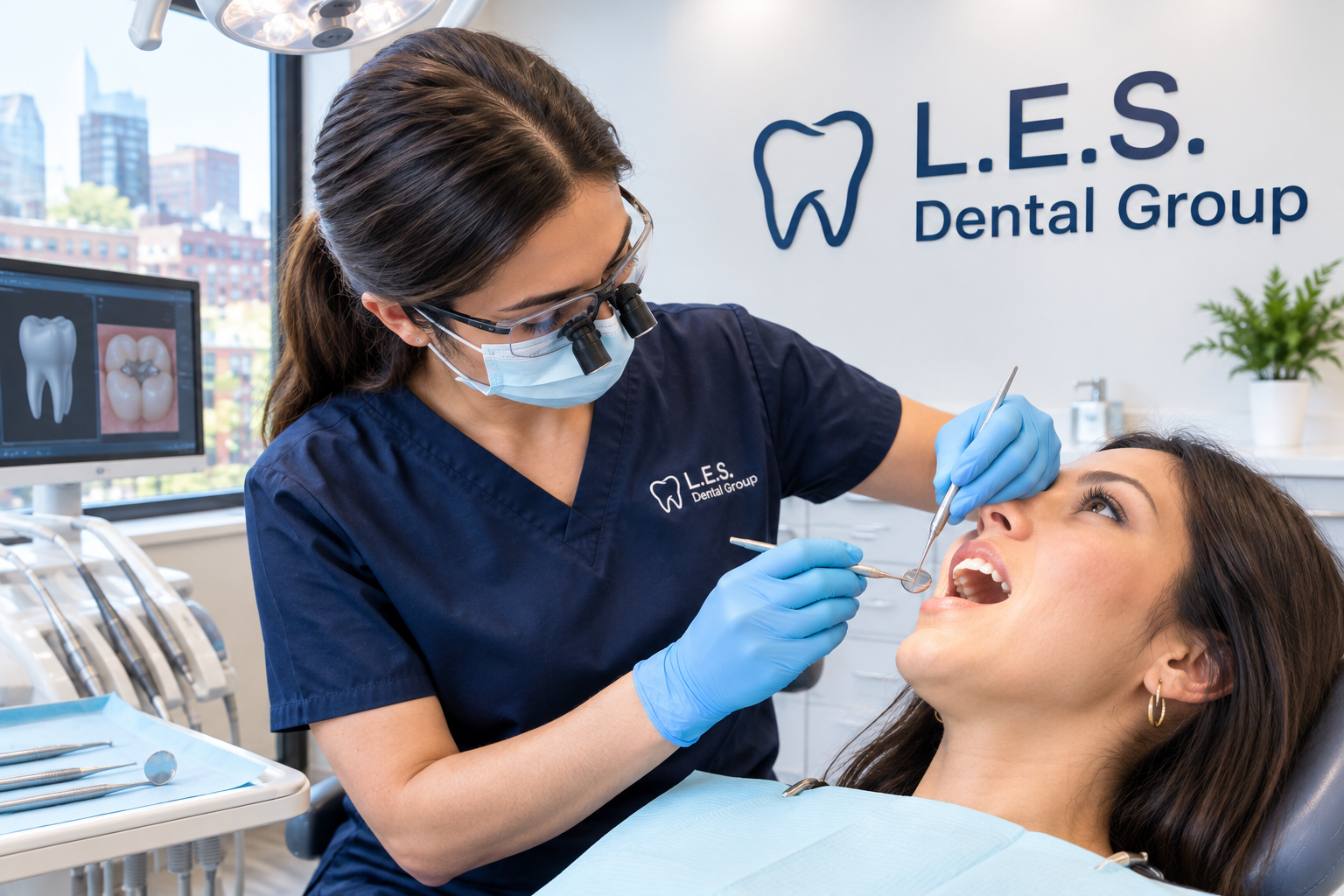
Tooth decay can develop gradually, and without treatment, a small cavity can become a larger dental problem. Dental fillings in East Village NYC can help restore teeth affected by decay while protecting the remaining healthy tooth structure.
At L.E.S. Dental Group, we provide restorative dental care for patients in the East Village, Lower East Side, and surrounding Manhattan communities. Our dental office is located at 62 Rivington Street, New York, NY 10002, conveniently serving patients looking for professional dental fillings near East Village.
What Are Dental Fillings?
A dental filling is a restorative treatment used to repair a tooth that has been damaged by decay. During treatment, the dentist removes the decayed portion of the tooth, cleans the area, and fills the space with an appropriate dental material.
L.E.S. Dental Group describes fillings as one of the most common dental restorations for treating small areas of tooth decay.
The purpose of a filling is to restore the tooth's structure and function while helping prevent the cavity from progressing further.
When Do You Need a Dental Filling?
You may need a dental filling when a dentist identifies tooth decay during a routine dental examination or when you develop symptoms associated with a cavity.
Common signs that may indicate the need for cavity treatment include:
- Tooth sensitivity to hot or cold foods
- Pain when eating or drinking
- Discomfort when biting
- A visible hole or dark spot on a tooth
- Food frequently becoming trapped between teeth
- Toothache or persistent discomfort
- A cavity identified during a dental examination
Some cavities may not cause noticeable symptoms in their early stages. This is why regular dental examinations can be important for identifying decay before it becomes more extensive.
How Do Dental Fillings Work?
The dental filling procedure generally begins with an examination of the affected tooth. Your dentist may also use dental X-rays when necessary to evaluate the extent and location of decay.
Once the area has been assessed, the decayed portion of the tooth is carefully removed. The area is then cleaned before the filling material is placed.
The filling is shaped to restore the natural form of the tooth. The dentist then checks the bite to make sure the restored tooth functions comfortably.
The exact procedure can vary depending on the location and extent of the decay and the type of restoration selected.
Tooth-Coloured Dental Fillings in East Village
Many patients looking for dental fillings in East Village NYC are interested in restorations that blend naturally with their existing teeth.
Tooth-coloured fillings can be designed to closely match the appearance of surrounding teeth. This can make them a popular option for visible areas of the smile.
The appropriate filling material depends on factors such as the location of the cavity, the amount of tooth structure remaining, your oral health, and your dentist's recommendations.
During your appointment, your dentist can explain the available options and help determine which type of restoration is appropriate for your tooth.
Benefits of Dental Fillings in East Village
Dental fillings are one of the most common restorative dental treatments for teeth affected by cavities and tooth decay. When a cavity is identified early, a filling can restore the affected area while helping preserve as much healthy tooth structure as possible.
For patients looking for dental fillings in East Village, understanding the benefits of treatment can help you make informed decisions about your oral health. The appropriate type of filling depends on the location and size of the cavity, the condition of the tooth, and your dentist's recommendations.
Restores Damaged Tooth Structure
One of the primary benefits of a dental filling is restoring tooth structure that has been damaged by decay. When bacteria cause a cavity, the affected portion of the tooth needs to be removed before the area can be restored.
A filling replaces the space left after the decay has been removed. The material is shaped to follow the natural contours of the tooth, helping restore its normal form and function.
Restoring the tooth can also help prevent the cavity from continuing to weaken the remaining tooth structure.
Helps Protect the Tooth
Untreated tooth decay can continue to progress deeper into a tooth. As the cavity becomes larger, more of the healthy tooth structure may be affected.
A dental filling seals the treated area after the decayed portion has been removed. This helps restore the tooth and provides protection to the remaining structure.
Early treatment can be particularly beneficial because a smaller cavity may require a less extensive restoration than a tooth with significant decay.
Restores Normal Biting and Chewing Function
A cavity can affect how comfortably you bite and chew. Some patients may experience sensitivity or discomfort when pressure is placed on a tooth affected by decay.
Once the tooth has been appropriately restored, a properly shaped filling can help return the tooth to its normal function. Your dentist will check the restoration and your bite to make sure the filling is comfortable and does not interfere with the way your teeth come together.
Can Improve the Appearance of a Damaged Tooth
Modern tooth-coloured filling materials can provide a more natural-looking alternative for many patients. These materials can be selected to closely match the colour of the surrounding teeth.
This can be particularly useful when treating cavities in visible areas of the smile. The goal is to restore the tooth while maintaining a natural appearance.
Your dentist can discuss whether a tooth-coloured filling is suitable based on the location and condition of the tooth.
Helps Prevent Further Complications
Treating a cavity when it is still relatively small may help prevent the decay from progressing into deeper layers of the tooth.
When decay reaches the inner portion of the tooth, it can cause inflammation or infection and may require more extensive treatment. Depending on the condition of the tooth, treatment could eventually involve a dental crown or root canal treatment.
Regular dental examinations can help identify cavities before they become more extensive.
Provides a Conservative Restorative Option
Dental fillings can often restore a tooth without requiring extensive removal of healthy tooth structure. The dentist removes the damaged portion of the tooth and restores the affected area with filling material.
This makes fillings a commonly used option for treating appropriately sized cavities while preserving the remaining healthy portion of the tooth.
What Happens If a Cavity Is Left Untreated?
A cavity may not cause significant symptoms when it first develops. However, tooth decay can continue to progress even when you do not feel pain.
If a cavity is left untreated, the decay can become larger and affect deeper layers of the tooth. As the problem progresses, you may begin experiencing sensitivity, toothache, pain when biting, or other symptoms.
The Cavity May Become Larger
Tooth decay does not normally repair itself once a significant cavity has formed. As bacteria continue to affect the tooth, the damaged area may increase in size.
A larger cavity means that more tooth structure may need to be removed during treatment.
You May Develop Tooth Sensitivity
As decay progresses, you may notice sensitivity to hot, cold, sweet, or acidic foods and drinks. Sensitivity can occur when the protective outer layers of the tooth become compromised.
Persistent or worsening sensitivity should be evaluated by a dentist to determine its underlying cause.
The Tooth May Become Painful
A cavity that becomes deeper can eventually cause a toothache. Pain may occur spontaneously or when eating, drinking, biting, or applying pressure to the affected tooth.
If decay reaches the inner part of the tooth, the tissues containing the tooth's nerves and blood vessels can become inflamed or infected.
More Extensive Treatment May Be Required
A small cavity may be treatable with a dental filling. However, if decay has significantly weakened the tooth, a larger restoration may be necessary.
Depending on the amount of remaining healthy tooth structure, your dentist may recommend a crown or another restorative treatment.
If the decay reaches the pulp and causes significant infection or inflammation, root canal treatment may be recommended to treat the inside of the tooth and preserve it when possible.
Infection Can Develop
Advanced tooth decay can allow bacteria to reach deeper parts of the tooth and surrounding tissues. This may lead to a dental infection or abscess.
Symptoms can include severe tooth pain, swelling, tenderness, sensitivity, or an unpleasant taste in the mouth. Dental infections require professional evaluation and should not be ignored.
Early Treatment Can Help Preserve the Tooth
One of the main reasons dentists recommend treating cavities promptly is to preserve healthy tooth structure whenever possible.
If you notice tooth sensitivity, pain, a visible dark spot, a hole in a tooth, or food repeatedly becoming trapped in a particular area, schedule a dental examination.
For patients searching for dental fillings in East Village, an examination at L.E.S. Dental Group can help determine whether a cavity is present and what type of treatment may be appropriate.
Protect Your Smile With Timely Cavity Treatment
Dental fillings can restore teeth affected by decay, improve their function, and help protect the remaining tooth structure. However, the best treatment depends on the size and location of the cavity and the overall condition of the tooth.
Regular dental check-ups and good oral hygiene can help reduce the risk of cavities and allow dental problems to be identified earlier.
If you think you may have a cavity, don't wait for the problem to become painful. A dental examination can help identify the issue and determine whether a filling or another type of restorative treatment is appropriate.
Dental Fillings vs. Other Dental Restorations
Not every damaged tooth requires the same type of restoration.
A dental filling may be appropriate for a tooth with a relatively small area of decay. If a tooth has more extensive damage or has lost significant structure, your dentist may recommend another type of restoration.
Depending on your individual situation, treatment may include:
- Dental fillings
- Dental crowns
- Inlays or onlays
- Root canal treatment
- Other restorative dental procedures
Your dentist can evaluate the tooth and explain which treatment is most suitable for your needs.
Dental Fillings in East Village at L.E.S. Dental Group
If you are searching for dental fillings in East Village, L.E.S. Dental Group provides restorative dental care from its Lower East Side location at 62 Rivington Street, New York, NY 10002. The practice has served the Lower East Side for nearly four decades and provides family, preventive, cosmetic, restorative, and implant dentistry.
The practice also focuses on personalised treatment and patient education, helping patients understand their dental treatment options before proceeding with care.
Whether you have a known cavity, tooth sensitivity, or a recently diagnosed area of decay, a dental examination can help determine whether a filling is appropriate.
How Can You Prevent Dental Cavities?
While fillings can restore teeth affected by decay, preventing cavities is an important part of maintaining long-term oral health.
You can help reduce your risk of tooth decay by:
- Brushing your teeth twice a day with fluoride toothpaste
- Cleaning between your teeth regularly
- Limiting frequent sugary snacks and drinks
- Maintaining regular dental examinations
- Having professional dental cleanings as recommended
- Addressing tooth sensitivity or discomfort promptly
Regular dental visits can also help identify early signs of decay before they become more extensive.
Frequently Asked Questions About Dental Fillings
Are dental fillings painful?
Modern dental techniques are designed to make restorative treatment as comfortable as possible. Your dentist can discuss ways to keep you comfortable throughout the procedure.
How long does a dental filling take?
The time required depends on the location and size of the cavity and the type of filling being placed. Your dentist can provide a more specific estimate after examining your tooth.
Can a filling fix a cavity?
Yes. A filling can restore a tooth after the decayed portion has been removed, provided the tooth is suitable for a filling.
Do cavities always cause tooth pain?
No. Some cavities may not cause noticeable symptoms, particularly during their early stages. Regular dental examinations can help identify decay that you may not notice yourself.
When should I see a dentist for a cavity?
If you notice tooth sensitivity, pain, a visible hole, discoloration, or other changes in a tooth, schedule a dental examination. Early evaluation can help determine the appropriate treatment.
Schedule Your Dental Filling Appointment in East Village
If you need treatment for a cavity or are experiencing tooth sensitivity or tooth pain, professional dental evaluation can help determine the cause and appropriate treatment.
L.E.S. Dental Group is located at 62 Rivington Street, New York, NY 10002, and provides restorative dental services for patients in the East Village, Lower East Side, and surrounding Manhattan areas.
Contact L.E.S. Dental Group to schedule a dental examination and learn whether a dental filling may be appropriate for your tooth.
Quick Links
Helpful Articles
article_category: East Village
article_category: products
article_category: psychiatry
article_category: faqs
article_category: cats
article_category: general
article_category: services
article_category: technology
article_category: dogs
article_category: restorative
article_category: vision therapy
article_category: contact lenses
article_category: health
article_category: conditions
article_category: eye surgery co-management
article_category: exotic
article_category: cosmetic
article_category: surgical procedures
article_category: aesthetics
article_category: preventative
article_category: ocular disease management
article_category: eyeglasses
article_category: eye health
article_category: large animal
[]
article_category: products
article_category: psychiatry
article_category: faqs
article_category: cats
article_category: general
article_category: services
article_category: technology
article_category: dogs
article_category: restorative
article_category: vision therapy
article_category: contact lenses
article_category: health
article_category: conditions
article_category: eye surgery co-management
article_category: exotic
article_category: cosmetic
article_category: surgical procedures
article_category: aesthetics
article_category: preventative
article_category: ocular disease management
article_category: eyeglasses
article_category: eye health
article_category: large animal
[]
Flowbite is an open-source library of interactive components built on top of Tailwind CSS including buttons, dropdowns, modals, navbars, and more.
Check out this guide to learn how to get started and start developing websites even faster with components on top of Tailwind CSS.

Keep In Touch
For non-urgent questions or to learn more about our services, contact us today!
© 2026 L.E.S. Dental Group. All rights Reserved - Accessibility Statement - Privacy Policy - Sitemap
Managed and Designed by 